Energy Efficiency Tips For Your HVAC System
The energy efficiency of an HVAC system is an extremely important factor to consider. It not only impacts the environment, but it impacts your wallet as well. The less efficient your HVAC system is the more energy you will waste to maintain a comfortable temperature. Wasted energy is as good as wasted money. It's particularly problematic during summer months when utility companies charge a premium for electricity.
There are several factors that will influence the efficiency of an HVAC system. The most significant factor is the technology used in the system. This is why newer systems are almost always more energy efficient than older systems. And some specific design types are slightly more efficient than others. Thus, the best method of improving energy efficiency is installing a newer energy efficient HVAC system.
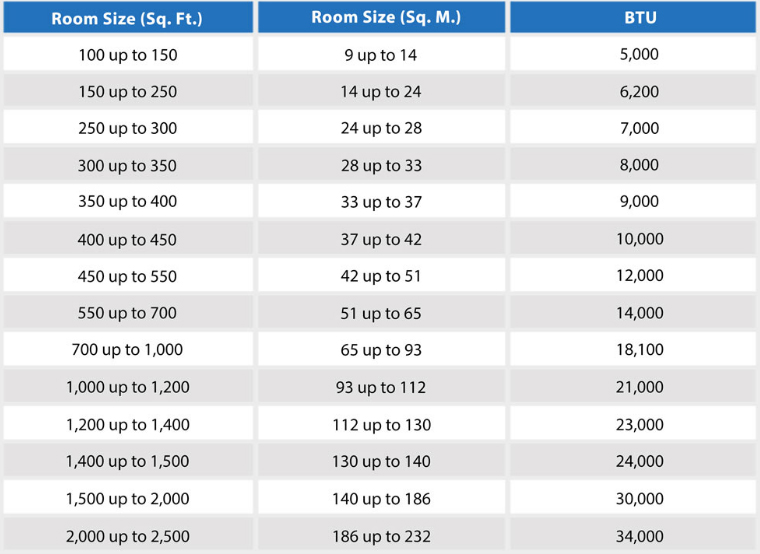
Other factors that influence efficiency include the size of the system, the quality of the installation, and the type of maintenance it receives. Out of those three factors, maintenance is the most important for homeowners who don't plan on installing a new system. Ignoring very simple maintenance will greatly decrease the efficiency of your system and eventually cause it to stop functioning altogether.

How To Choose An Energy Efficient HVAC System
There are multiple types of HVAC systems commonly used today, and they are all very similar in terms of efficiency. Most homes use a standard heating, and air conditioning split system. This type of system takes advantage of a unit placed on the outside of the home that is connected to a unit on the inside of the home. The inside unit is connected to the furnace and is responsible for moving hot air outside of the home.
An alternative is the heat pump system. These systems run entirely on electricity and use a single heat pump to cool or heat the come. Heat pump systems are considered slightly less efficient than split systems. In general, any electric source of heat is going to be less energy efficient than a gas-fueled heat source, though the initial investment is almost always lower.
Ductless HVAC systems have become increasingly popular during the last decade. These have the advantage of allowing zone-controlled heating and cooling. You can focus on heating or cooling specific zones in the house with individual ductless systems and leave the others turned off. In comparison, a ducted system works to control the temperature in the entire home, which includes rooms that may not be in use.
With most of these systems, the initial investment is often higher when long-term running costs are lower. For example, the cost of installing a ductless unit in each room would be higher than installing a single split unit. But the energy efficiency of the ductless systems would ensure a much lower running cost over time if used properly.
Controlling energy efficiency doesn't stop after the installation. There are several tips that you can follow to improve or maintain the efficiency of a system over time. These tips will apply to nearly all types of energy efficient HVAC systems.
Tip 1: Don't Ignore Maintenance
Your HVAC system requires regular maintenance no matter the type. It is highly recommended that you have your system inspected, serviced, and cleaned at least once a year. It's even better to have it inspected twice: once during the Spring and once during the Fall. In between those times, you should check your air filters once a month and change them at least once every three months.
Tip 2: Upgrade The Thermostat
If you purchased a home with an older unit, then the equipped thermostat likely doesn't offer you much control. You may be able to adjust the temperature while you're there, but that's about it. Modern thermostats come with a lot of advanced features and can usually be controlled via a smartphone. This makes it easier to turn off the system when you are leaving home and then turn it back on shortly before you return. You'll save a considerable amount of energy compared to leaving it on the entire time.
Tip 3: Careful Temperature Control
Most people cannot detect temperature changes of only a few degrees Fahrenheit. But it can make a big difference in how much energy your system uses. The average HVAC system will consume almost 20 percent more energy at 75 degrees than it will at 78 degrees when it's hot outside. The closer you can set the temperature to the temperature outside the less energy you will waste. Experiment by adjusting the temperature one degree at a time until you find a comfortable setting. You might be surprised by how much money it will save.
Help From The Professionals
The HVAC contractor you trust with your system is going to have a big impact on the efficiency as well. It's often up to them to determine the right size of the system and to install it properly. They will also be handling the annual maintenance, which isn't going to improve the efficiency if not performed correctly. Make sure that you put forth an effort to work with the best in the business when it comes to your home's HVAC system.