Tuesday, May 26, 2020

Common Airflow Issues: When To Call A Professional

The Nine Most Common Airflow Issues: When Should You Call A Professional?


It's not unusual to have problems with a furnace or air conditioner from time to time. When temperatures rise, you may find that the air from your vents is warm rather than cool. In winter weather, your furnace might not provide the heat that you need.

If you're having issues with your HVAC unit, your problems might fall into the categories below:
  • Hot and Cool Areas: Certain portions in your home may be cold when they should be hot, or hot when it's supposed to be cold.

  • Imbalances In Pressure: Have you felt a draft in certain parts of your home? Have doors slammed shut on their own? If so, your house isn't haunted! There's likely an issue with your airflow.

  • Minimal Airflow: If you're unable to feel the air blowing out of your registers, you likely have a problem.

  • Warm Air: If you're running your AC during the summer, and warm air is coming out of the register, you have a problem.


In some cases, there may be an easy way for you to resolve these problems. In other situations, you may have to work with a local HVAC technician.

Icon Mechanical tech working on AC unit fixing HVAC airflow problems

These are the frequently encountered HVAC airflow problems and how you can deal with them.


Blocked Registers and Vents


If you're dealing with this issue, you should make sure that nothing is covering up your registers. If furniture, toys, laundry, or other items are blocking your vents, you should move them out of the way. It's also possible that your vents have been closed. If that's the case, you should open them up.

You don't need to bring in an expert in this situation.

Filter Clogs


How long has it been since you switched out the filter in your furnace? Ideally, filters should be switched out regularly. Depending on the instructions that came with the unit or how frequently it is used, it may need to be changed every month or every quarter. Read the manual to see how often the filter should be changed. Make sure you follow the directions. Over time, dust and grime can cause your filter to be blocked. This means it will be more difficult for your furnace to function, which could eventually damage your unit.

Thankfully, this is a problem that's easy to resolve as long as you spot the issue quickly.

Unit Obstruction


It's very common for the condensing unit in an air conditioner to experience a blockage. Typically, condenser units are outside the home. This means debris such as branches or leaves can accumulate around the unit, leading to an obstruction. It's also possible for units to be blocked when they're indoors if items are stored around it. When a unit is obstructed, it won't have proper air access, which means it can overheat.

If you spotted this issue before it was damaged, the only thing you need to do is clear away debris or move any items away from your unit. That was, it will have access to the air again. This is another problem you can easily resolve on your own.

Leaking or Blocked Ducts


When air flows out of your furnace's fan, it travels through your home's duct system and exits through register vents. If the filter doesn't catch all of the dust, some of it will wind up in your ducts. It's possible for the dust to build up over time. This can cause ducts to become more narrow. Eventually, your ductwork may not be large enough to meet the needs of your furnace or air conditioner.

It's also possible that your ductwork could be cracked or damaged. If air is leaking, the airflow will naturally be reduced.

If you believe that there's a build-up of dust or a leak, the smartest thing to do is contact a local HVAC technician. They'll be able to inspect the system and get to the bottom of the problem. In many cases, they'll resolve the issue by repairing any damage or giving your ductwork a proper cleaning.

Issues With Your Thermostat


In some cases, your thermostat may be the source of your airflow problems. You may have a faulty device, or it might be time to replace your device's batteries.

If this happens, you can easily fix the issue on your own by replacing its batteries. If you feel up to the job, you can even install a new thermostat. If there are no issues with the batteries, and you'd rather have a professional install your thermostat for you, you should contact a local HVAC technician.

Grimy Air Conditioner Coils


The condenser coils in your air conditioner are responsible for releasing the heat from your home. The coils are located in the condenser unit. If your AC unit is stored outdoors, your coils can easily be dirtied, which means they'll no longer be able to release heat.

If this happens to you, you'll need to make a call to a local HVAC technician. It's generally recommended that AC units should be cleaned and inspected annually. This can prevent coils from becoming too dirty.

Refrigerant Leaks


If you've experienced a reduction in airflow, and you've seen that the AC isn't keeping your home as cool as it should be, you may have a refrigerant leak. If a leak is slow, you'll notice your performance decline gradually. This is yet another reason to have a unit inspected annually.

Contact a local HVAC technician so that they can examine your refrigerant levels. If there is a leak, they will be able to provide repairs.

The AC Unit Is Too Large


In the past, people believed that the larger an air conditioner was, the better it functioned. Now, however, we're aware that if a unit isn't the right size for a space, it won't provide efficient cooling. It will frequently cycle on and then off again. This means the humidity won't be removed from an area, which can cause a space to feel uncomfortable.

If you suspect your unit is too large, you should reach out to a local HVAC technician and examine your unit.

The Wrong Unit For Your Home


If you've made upgrades to your home, and you didn't upgrade your HVAC system, your unit may be no longer suitable for your home. It's possible that the unit isn't the right size or that your ducts aren't in the proper position. If your floorplan saw significant changes, your HVAC system may no longer be working for you.

If you're planning on remodeling your home or recently completed an upgrade, you should reach out to a local HVAC tech. Ask them to examine your unit a provide adjustments as needed.

Monday, May 18, 2020

Is Your Air Filter Too Efficient?

Is Your Air Filter Too Efficient?


All residential air conditioning and heating units use filters to help keep debris and small particles from getting sucked into the unit and increasing the need for more frequent maintenance.

How Do Filters Work?


The operation principle of an air filter is elementary. It is a device made of a mesh of fibers that prevents particles from entering your AC unit. They come in a wide variety of types, sizes, and filtering capabilities.

Filter strength is measured by the efficiency with which it keeps particles out. The technical term for this metric is the minimum efficiency reported value or MERV. The higher the MERV rating, the more efficient a filter in keeping even the smallest particles. Regular window AC units have a MERV rating of 2. A filter with a rating of MERV 16 can stop a lot of pollutants, even smaller than those that are smaller than 0.1 microns.

When shopping for an air filter, one crucial thing to check is the MERV rating.

Common Types of Air Filters


Fiberglass Air Filters


Fiberglass-Disposable Air filtersThese are disposable filters that usually have the lowest MERV rating. They are ineffective at keeping pollutants out as they will only stop large particles. They are mostly used to trap debris and dust. However, they very affordable, making it a popular choice among many. Most systems are designed around using these types of filters, and they are readily available at the big box hardware stores.

Pleated Media Filters


These filters have a MERV rating that often lies between 5 and 13. Some can keep out mold spores and dander, among other things. The pleat designs are meant to enhance its filtering efficiency as well as increase its area. Looking at the ratings, this filter's effectiveness is still low, but it does not offer much airflow resistance.

HEPA Filters


HEPA Filters offer optimal protection from airborne particles. They can keep out small microns such as smoke and bacteria due to their high MERV ratings that fall between 17 and 20. The catch with using these filters is that they require a lot of work to install them, and experts might have to modify your system to fit one.

Reusable Filters


These filters are notable options for those that do not want to keep replacing and throwing out the old filters, as you can wash and reuse them again. However, you should ensure that they are dry before installing them as they can grow mold and mildew. They can also require a higher amount of power to pull the air through them.

Is It Advisable To Pick A Filter That Is Too Efficient?


Well, that depends on what efficiency you are talking about. If it is highly efficient with airflow... it probably isn't efficient with filtering out contaminants. Airflow moving through the filter too easily or not easily enough can tax the AC unit in different ways and cause problems.

The best filter should be the most efficient filtering particles that also works well with airflow in your system. It is essential to look at some of the other devices that work with the filter.

An efficient filter has a tight mesh needed to keep even the smallest pollutants out. However, the disadvantage of this is that the tight mesh restricts the amount of air going into the system. The blower in your fan needs this air, lest it starts malfunctioning. Most HVAC systems have specifications on the recommended MERV rating that the blower can handle, and it does not go over MERV 12, except for the complex and high-end units.

Reduced airflow in your unit can be the start of a series of problems. First, the reduced airflow will increase the air pressure in the ventilation system. This will move to damage the ducts, and it can extend to the AC and heater. You will feel these effects in the house as the place will be very uncomfortable and devoid of enough air. If you sum all this up, you will see that the high-efficiency filter will beat the logic behind the role it is supposed to play. Reduced airflow in your home will cause poor air quality, a problem that you tried to solve in the first place.

Which Is The Right Filter For You?


Most HVAC systems are suited to filters with low MERV rating, and it is vital to get this right, as you can damage your unit if you pick the wrong filters. There is a delicate balance between the efficiency you desire and the capability of your system that needs to be achieved. If you are unsure, which air filter to use, ask us to come out and take a look and we will recommend the best options for you.

Monday, May 11, 2020

DOES YOUR HOME REALLY NEED AN AIR SCRUBBER PURIFICATION SYSTEM

DOES YOUR HOME REALLY NEED AN AIR SCRUBBER PURIFICATION SYSTEM


The air you breathe in plays a significant role in your overall well-being. Unfortunately, there are several contaminants and pollutants in the air that contribute to its overall pollution. Inhaling polluted air for an extended period can lead to adverse health problems. Inhabitants of homes with poor indoor air quality may find themselves experiencing shortness of breath, irritation in the throat, nose, and eyes, or aggravate their asthma condition. According to EPA, indoor air pollution ranks among the top five environmental dangers facing the world.

Learning more about the potential sources, signs, and risks associated with polluted air in your home can go a long way to helping you improve the air quality of your house with an efficient HVAC unit.

Signs Of Polluted Air

There are certain signs your body exhibits when it’s affected by poor air quality. Depending on its quality levels, you can start experiencing the symptoms within a couple of hours or even days after inhaling the unhealthy air. In fact, indoor air quality can be 100 times more polluted compared to the air outside. To be on the safe side, here are some of the signs you should be wary of:
  • Irritated Respiratory System (sore throat, coughing, chest pain)

  • Headaches

  • Reduced Lung Function

  • Fatigue

  • The air filter gets dirty quickly

  • Gross odors

  • Moisture condensing on your windows


Phoenix Skyline with pollution that needs to be scrubbed from your AC unitRisks Of Polluted Air

If you are experiencing any of the aforementioned symptoms, then it’s likely that the germs in the air are making you sick! Indoor air pollution can either be caused by biological contaminants, chemical pollutants, or physical pollutants. Regardless, they present some risk to children and the elderly who are more susceptible to the after-effects. Risks associated with polluted air include:

–Cardiovascular Symptoms. Those individuals with pre-existing cardiovascular issues may end up aggravating their symptoms, resulting in serious problems or death. Due to under-oxygenated blood, the heart experiences irregular rhythms, which can lead to palpitations, tightness, or chest pain. Long-term exposure can lead to stroke, abnormal heart rhythms, coronary artery disease, and congestive heart failure.

–Biological contaminants like dust mites, animal dander, or bacteria. If they are in your house, you’ll likely start experiencing throat irritation, aggravated asthma symptoms, flue, and other forms of infectious diseases.

–If your home has asbestos, it may result in severe health conditions like mesothelioma, asbestosis, or lung cancer.

–Tobacco smoke results in users experiencing pneumonia, emphysema, bronchitis, heart disease, severe respiratory irritation, as well as lung cancer.

–Chemicals like those used in cleaning agents and paints can result in you experiencing a loss of coordination, or brain, liver and kidney damage, as well as other types of cancers.

What Is An Air Purification System

A typical air purifier consists of filter or filters and a fan for sucking in and circulating air. As air passes through the filter, particles and pollutants are captured while clean air is pushed back into the living area. Having an air purification system indoors helps in cleaning and restoring the quality of air to optimal levels. Have you heard of the air scrubber purification system?

The air scrubber system is a different technology and application that utilizes germicidal lightwave technology, generating molecules of oxygen and hydrogen to bind with and/or eliminate dangerous microorganisms. Air scrubbers can be used in home construction projects, mold remediation projects, and aid in renovations and restorations. Some of these projects will lead to the formation of pollutants in the environment like asbestos, dust, mold, and chemical fumes. And with all these contaminants in the indoor space, the quality is very low and can even result in health problems for those exposed. However, it can be directly installed into your HVAC system to enable the air to flow freely throughout the ductwork and pass through the air scrubber to get cleaned – thereby creating an entire home air purification system.

Is an Air Scrubber Necessary?

The air scrubber is necessary for a home, given how it can clean the entire indoor space all day every day. It not only treats the air, but also assists in cleaning doorknobs, countertops, kitchens, and bathrooms. The need to install an air scrubber in your indoor environment or home will depend on a variety of factors in the space – like the level of airborne pollutants, pollutants in the air, or the sort of remediation taking place. The air scrubber will remove contaminated air in the space and filter it out via different filtering mechanisms. The air scrubbing device consists of a blower, pre-filter, a primary filter, and an optional carbon filter that all work towards cleaning the air.

The health effects associated with poor air quality can range from long-term to short-term problems, which is why you really need to consider getting an air scrubber purification system for your home. With an air scrubber system, you can control the quality of air in your home as you enjoy fresh, clean, and healthy air.

Monday, May 4, 2020

Why Is My Air Conditioner Blowing Warm Air?

Why Is My Air Conditioner Blowing Warm Air?


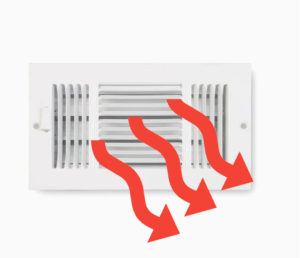
AC vent with hot air arrows coming out of vent

When you are using your air conditioning system, you expect it to get rid of the warm air and leave your space feeling cool and comfortable. You do not want to feel hot in your home. So, what exactly happens when your air conditioner starts producing a bunch of warm air instead of cool air? Not only are you going to feel frustrated, but you might assume that you will need to throw the unit out and purchase a new one that will cost you hundreds of dollars.

The good news is that you might not need to replace your air conditioner, but you will likely need to have it repaired. An HVAC expert can perform different services to get your air conditioner working the way that it should when you are using it inside the home.

The Main Reasons For an Air Conditioner to Produce Warm Air


Before you have anything done to the air conditioner, you need to know of some of the primary reasons for it to produce warm air instead of the cold air that you would expect it to provide. Check out the following reasons why you might experience this issue with your air conditioning unit:

1. Your Air Filter Needs a Good Cleaning or Replacement


The air filter inside the air conditioner can easily get clogged. Pieces of dust and dirt start building up, causing a blockage that keeps the cold air from being released. If the filter becomes too dirty, the air cannot circulate through it correctly. Unfortunately, that means the unit may begin producing more warm air instead of cool air.

You would need to take your unit apart to access the filter and find out if it is covered in dust and dirt. If so, you might need to replace the filter or have it cleaned to get your unit to function again. If you cannot find a replacement filter, or if you do not know how to clean your filter correctly, you can hire an expert to assist you.

2. Your Unit Needs More Refrigerant


The refrigerant is an essential part of any air conditioning system. The liquid is what begins absorbing the warm air inside the property and then transforms that warm air into cold air. If your unit is low on refrigerant, there is likely some type of leak that is going on. When a leak occurs, it is usually caused by some kind of damage to the unit's exterior. The damage can occur due to the elements and/or vibrations that occur. When you have a refrigerant leak, an HVAC expert could check for damage and holes, repair those issues, and add more refrigerant to your unit to get it to produce more than enough cold air again.

3. The Return Duct Is Slightly Damaged


Your unit may produce warm air because there is damage to the return duct. The return duct continuously recycles the cool air inside a building to keep the cold air flowing on hot days. It is a critical component, but if there is some damage to the duct, your air conditioner might not work the same way that it worked before. If you are only getting warm air from your unit, have an HVAC expert check the return duct for damage. If it is disconnected, corroded, or broken in some way, you need to get it replaced to get your air conditioner to function correctly again.

4. The Condenser Coils Are Clogged


The condenser coils are attached to your air conditioning unit's exterior. Just like the interior air filter, these coils can end up clogged by dirt and debris that eventually causes problems for you when you are trying to keep your home feeling cool. You could end up with pieces of leaves and other junk attached to these coils that are preventing your air conditioner from producing cool air. When clogged condenser coils are a problem, the HVAC expert can clear them out and clean them off.

When you run into an issue with your air conditioning system, and you do not know what to do, it is best to contact an HVAC expert. If you continuously need to keep your unit at a lower temperature, but it is still not producing cool air, have your problem addressed by a professional. The HVAC expert can carefully examine your unit to find out why it is producing warm air instead of cool air.

Once the issue with your unit gets diagnosed by the expert, the HVAC professional will then work on completing the necessary services to get your unit to run smoothly for you again. By contacting an AC service expert, you can save more money and likely avoid the extra expense of buying an entirely new unit by simply getting the one you currently own fixed.