Tuesday, August 25, 2020

Central Air Conditioners vs. Heat Pumps in Arizona

Central Air Conditioners vs. Heat Pumps in Arizona


When it's time to upgrade your AC, the question on many Phoenix, Arizona homeowners' minds is which the best is – central ACs vs. heat pumps? The choice you make may impact your home comfort and budget, so you might want to know more about these cooling systems.

Fortunately, we have plenty of experts who have years of experience in this field. We are here to help you with the decision-making process and help you select the best choice for your home's needs. Let us look at how each cooling system works, their price, and how their energy efficiency compares.

We offer various cooling products that will deliver efficiency and amazing value for your Phoenix, Arizona, home. Our experienced technicians will install your new central AC or heat pump to meet your home's cooling needs for years.

Central ACs vs. heat pumps


The key difference between the two is that heat pumps use a heat exchange process to both cool and heat. And, technically, Air conditioners only cool the air. They are usually paired with a furnace for heating your home.

How central ACs vs. heat pumps operate


Central ACs and heat pumps depend on the same mechanism to cool indoor air temperatures. Both systems use a compressor to compress the refrigerant in the system. Air is compressed inside the compressor, causing its temperature to increase considerably. The air will then pass over the condenser coil, where it chills to a certain temperature.

As air passes over the coils, it expands, causing the temperature to drop and cool the evaporator coil quickly. A blower located within the air handler will draw air through the chilled evaporator coil to provide cool air to your home's interior. The key difference between the two cooling units is that a heat pump can reverse the process by changing condenser and evaporator coils' function to increase inside temperatures. Whereas ACs usually need to be paired with a furnace system to heat your home.

AC vs. Heat Pump Energy Efficiency


A cooling system's energy efficiency is an essential factor when selecting between a heat pump and an AC. This is because the more energy efficient your cooling system is, the less energy will be used, thus keeping your energy bills low. ACs and heat pumps' efficiency is measured using the SEER score. An AC and heat pump with the same SEER score; use the same amount of energy to cool homes under the right conditions.

ACs can have efficiency issues when outside temperatures are extremely high. This is because ACs are made to sufficiently cool your house when the difference in inside and outside temperatures don't exceed 20 degrees. During the Phoenix area hot summers, temperatures will rise significantly above this point, and an AC will not as effectively cool your home.

On the other hand, heat pumps don't have as much of an issue with high outside temperatures. They provide pretty close to the same efficiency cooling regardless of the temperature difference between inside and outside temperatures.

AC vs. Heat Pump Heating


ACs cannot heat your home; they are usually paired with a furnace of some type. As temperatures reduce, many homeowners turn off their air conditioners and use heating systems such as gas or electric furnaces for warmth.

The heat pump is unlike the AC as it provides heating by reversing the cooling process.


AC vs. Heat Pump Prices


Heat pumps can cost about more than simple ACs because heat pumps are used for both heating and cooling. But they are comparable and can even be less expensive than a complete AC/furnace system. They do operate all year round – which can shorten their longevity compared to the other system due to wear and tear in the system.

Which One Should You Choose?


Choosing between an AC and a heat pump depends on various factors, with the most key one being climate. Areas of Arizona such as Phoenix, usually have a temperature of 40 degrees and above in the winter which is fine for a heat pump. A heat pump will not work very efficiently in places Like Flagstaff where the temperature drops to below 40 degrees for extended periods of time. They often come with a backup heating element, but they lose their heating efficiency and consume more electricity.

Contact us when you need more information on ACs vs. heat pumps. We can provide skilled installation and maintenance services to deliver the best system operations from your AC or heat pump.

Thursday, August 20, 2020

Air Conditioning Systems and Short-Cycling 

Air Conditioning Systems and Short-Cycling


Keeping Your Air Conditioning System in Fine Working Order


It's crucial to maintain an air conditioning system that's reliable all year long. That's why you have to stay on top of everything from short-cycling dilemmas to bizarre noises and sounds. If you want to attain and maintain a cooling system that's simultaneously effective and dependable, then you should take a close look at the universe of short-cycling. A rock-solid cooling system can make reveling in pure comfort in sun-kissed Phoenix, Arizona easy and pleasant for anyone. 

What Exactly Is Short-Cycling? 


Short-cycling is a pretty typical concern in the cooling realm. In brief, short-cycling describes an air conditioning unit that has somehow gotten trapped in a start-up rut. That means that it switches on swiftly. That also means that it switches off just as quickly. It doesn't ever finish a cooling cycle in its entirety. 

Air conditioning systems that are in excellent working order give their compressors power. They operate until their associated thermostats detect that they've accommodated their temperature requirement in full. After that happens, air conditioning systems reduce compressor power. If you have a system amid a short-cycling crisis, this does not take place at all. That's because the compressor ceases to work way too early. It does so before the cooling cycle finishing. If this takes place, it forces the compressor to overexert itself. 

Possible Short-Cycling Causes to Consider 


Short-cycling is, in many cases, thought to be a sign of an overarching dilemma. It can be a sign of all sorts of much more significant troubles. It may point to an air filter that has a clog, first of all. It may denote an air conditioning system that's way too big. It may indicate one that's too small. If you have a short-cycling crisis on your hands, your refrigerant charge may not be adequate. This may be the outcome of leakage. Ventilation system woes can also contribute to short-cycling. If your system has a leak, then it may encourage air to make its way out. Don't forget about the possibility of thermostat woes, either. A faulty thermostat may display temperatures that aren't right.

Reasons That Short-Cycling Isn't a Positive Thing for Cooling Systems


You should never be okay with an air conditioning system that has a short-cycling issue. That's because short-cycling can lead to all kinds of effects that aren't exactly conducive to positivity. 

Cooling systems consume significant amounts of power once compressors begin operations. If you have a system in a rut that involves starting up repeatedly, it can utilize much more power than necessary. This can be problematic for a significant reason. It can encourage a compressor to have to rack up deterioration that's much speedier than normal. If you want to protect yourself from all of the hassles of failure, you should stay on top of short-cycling woes. If you want to protect yourself from all of the headaches of excessive heating, the same thing goes.

Swapping out a fatigued compressor can cost you an arm and a leg. If you want to keep your expenses in check, it may be preferable to go for full system replacement, believe it or not. 

Allowing short-cycling issues to get more intense with time is never a suitable path for anyone. If you allow short-cycling to continue, it may interfere negatively with the longevity of your cooling system. It may make you have to spend a lot more money on professional repair services. It may interfere negatively with your feelings of ease and serenity indoors. It may even squander considerable amounts of electricity. If you want to slash your costs and boost your ease of mind at the same time, you should stay on top of your short-cycling status no matter what.

Steering Clear of the Possibility of Air Conditioning System Short-Cycling


You can make your daily life easier in Phoenix by doing what you can to keep the hassles of short-cycling at bay. Prevention is better than cure, after all. If you want to keep short-cycling dilemmas out of your thoughts, then you should invest in routine maintenance service from seasoned and trained HVAC technicians. You can also take charge of some basic upkeep tasks all by yourself. It can be a terrific idea to assess your air filter on a routine basis. 

It can be favorable to assess the positioning of your thermostat. It can do a lot to install your thermostat on an interior wall within your residence. Try to find a spot that's a piece of cake to access. You need to see to it that your thermostat isn't right by the return air register. This can lead to mix-ups that involve immoderate amounts of cool air. If you want to stay away from incorrect readings, you should prioritize appropriate thermostat positioning time and time again.

You should evaluate the amounts of refrigerant your cooling system has by recruiting a capable HVAC technician for this specific task. A professional can introduce extra refrigerant any time the need pops up.

Swapping out low-pressure control switches can also do a lot for people who want to manage their air conditioning systems effectively. You can recruit an adept HVAC technician for this specific assignment, too. Call our Icon Mechanical to find out more about our air conditioning maintenance specialties. Pencil in a maintenance session today.

ac technician working on an air conditioning unit to stop short cycling

Thursday, August 13, 2020

What Causes an Air Conditioner to Freeze Up?

What Causes an Air Conditioner to Freeze Up?


During the warm season, when you use the air conditioner often, it can get iced up. You may think that AC freezing is a good thing that will help produce more cooling. However, the air conditioner works well through controlled pressure, airflow, and temperature.

When this destabilizes, the refrigerator system may overclock and freeze without cooling your air at all. You are probably asking how an appliance that works all through the hottest days of the year freezes. Please keep reading to gain more insight.

How your AC Makes cold air


Before we dive into the problem, it would be wise if you understand how your AC works. Generally, the device pumps hot air from your house to the outside. The AC contains an extremely cold refrigerant that requires warm air to blow across it.

When you activate your device, the blower in the inside part pulls over all the warm air from the room and sends it to the refrigerant coil. The basics being, heat loves to move from warmer sections to the colder areas. When the warm air gets to the refrigerant, it begins to boil, changing the state from liquid to vapor.

Further, the vaporized air flows to the compressor unit, which pumps it at higher pressure to increase the temperature. So, why would we need hot conditions at this point? Well, heat often flows from warmer to frozen sections. From step one, we got cold air, and if we want to get the heat out of the compressor to the outside, we may have to increase the temperature.

The hot vaporized refrigerant proceeds to another coil, surrounding the compressor. It contains a fan that pulls in cooler air from the outside and expels the warm vapor. As the refrigerant moves from the outdoor to an indoor unit, it gets through a particular section that allows the warm liquid air to expand in volume, decreasing the temperature even further.

So why do we lower the temperature again? We need to get the refrigerant system cooler than the indoor air to pull more heat out of the room.

The Effects of Humidity


When humidity levels spike up, your home will feel warmer. In this case, your AC will have to work a bit harder for more extended periods to remove the excess heat. The unit may thus begin to wear out.

With high moisture accumulation in the air, ice begins to form on the coils insulating it, in that the warm air won't reach them. When this happens, your house will feel moist, with some foggy windows and a dump smell. Mostly, it occurs when you have an inefficient, older, or wrongly sized device.

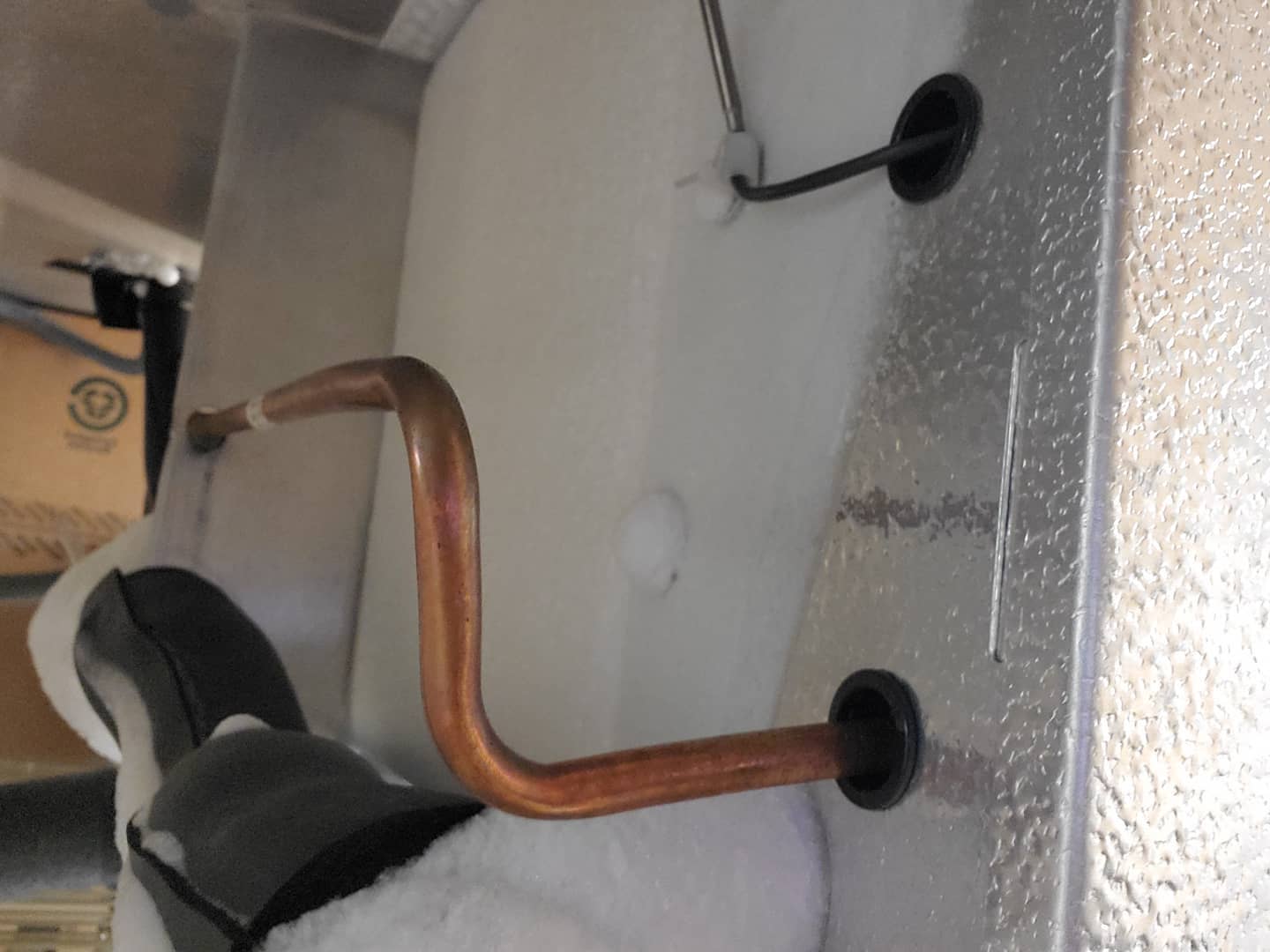
Ice build up in an evap cooler AC unit

Common Causes of Freezing up


There are multiple causes of your unit freeze up. It could be due to one or a few of the following.

Insufficient airflow


If the air conditioner fails to blow warm air across the refrigerant system properly, heat exchange will not occur efficiently. It could happen due to collapsed or blocked ducts, which stops air from flowing to the coils. Further, lousy blower motors may stop air from flowing fast enough to the coil.

Additionally, your AC requires electricity to run efficiently. In the case of low voltage, it underpowers the fans or motor, further contributing to the freezing problem. Lastly, most people neglect the air filter, which, when filled with dust, becomes clogged, slowing down airflow. When there is no enough air to keep them at an optimal temperature, the coils begin to freeze.

Low Refrigerant


The level of refrigerant in the coils affects pressure management in the AC. In a properly functioning system, the warm air converts the liquid refrigerant into a gas, dropping the pressure, then turns it back to a liquid and pushes it to the blower fan.
With low refrigerant levels, when the warm air moves to the compressor, it may condense the moisture and ice up the coils. High accumulation will affect airflow, and the system may fail to function appropriately.

Dirty Coils


If your system runs on a low-quality filter or none at all, dust may block the coils. Due to the moist air on the cooler surfaces, the coils appear dump often, and when dust blows across them, it may result in a thick build-up. Again, it obstructs airflow trapping cold air into the coil that causes freezing.

How to fix it


If you notice some ice build-up in your AC, first shut it off, let it thaw to prevent risking damage on the compressor. Next, check the condensate drain and ensure that it isn't blocked. While the AC is still off, you can leave the fan on to add some airflow, which will help melt the ice faster, reducing the problem. In high-temperature areas like Phoenix, Arizona, it won't take long for the ice to melt away.

Further, open the duct and suction out all the water. Once the ice fully melts and you unblock the drain pan, you can turn your system on. It should begin to work immediately, but if it fails to work, you may have to seek expert help.

A freezing AC is a problem that can be very frustrating. However, you can prevent this with some regular maintenance or fix it using the above tips. If your air conditioner still freezes up even after trying the above suggestions, you can reach out to us. Schedule an appointment, and we will meet all your AC maintenance and repair needs.

Friday, August 7, 2020

Why is SEER important to my AC system, and what does it mean?

Why is SEER important to my AC system, and what does it mean?


Homeowners should be vigilant in implementing ways of saving energy while conditioning the temperature of their homes. Based on research, it is evident that air conditioning systems use more energy than any other system in your home. AC systems that are energy efficient have a higher SEER number.

What Does SEER Mean?


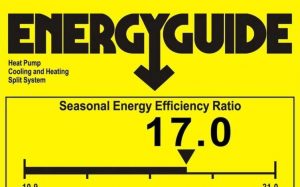
Energy Guide Sticker: Seasonal Energy Efficient Ratio 17

SEER is a common terminology used in HVAC technologies. It is the abbreviation of Seasonal Energy Efficient Ratio. It can be described as the ratio of cooling emitted by an air conditioner over the amount of power used. As such, a higher rating means that the system has greater efficiency.

If you are planning to purchase an HVAC system, consider systems with a higher SEER rating. You save money on energy costs because of the efficiency of the system. In some locations, HVAC systems are known to have a minimum rating of 13. But, some older homes' AC systems may have a SEER rating of as low as ten. This usually translates to extra costs of energy consumption.

If you want to know where you can find your HVAC system SEER rating, you can check the Energy sticker of your unit. It no longer has a legible sticker, you might need to look up the make and model online and try to determine the SEER. You can also call us and we can help you determine your unit's efficiency.

What is a good SEER?


As long as your system is above 13 SEER rating, you are in pretty good shape. However, if you have a system with a SEER rating less than that, it is probably time to look for a higher SEER unit.

As you look forward to acquiring your system, you also need to remember manufacturers' rebates and tax credits. They can help you reduce the cost of HVAC systems since they can be, at times, expensive to install. As an added benefit, you will get a chance to reduce greenhouse emissions, thus, protecting the environment.

If you still have more questions on the best SEER AC unit, get expert HVAC help from us.

Does a higher SEER cool better?


Higher SEER number does not only mean you are cooling your home better, but also making it more comfortable. Air conditioning systems with higher SEER ratings often have a variable speed fan as well as 2-stage cooling. The two features improve the system's energy efficiency and provide better cooling compared to older systems.

Older systems have only the on and off modes compared to an advanced system with a variable speed fan and 2-stage cooling. As such, the advanced system with a higher SEER rating can meet all your cooling needs with minimal energy draw.

With such an efficient system, you are bound to achieve less hot and cold fluctuation. The more you run the system, the more you get even air temperatures in your home.

What is the ideal SEER rating for my home?


The ideal SEER rating of your home should be the highest you can afford at the time of installation. But, anything above 13 and you are likely to get better benefits. In locations like Phoenix, a higher SEER rating system would be ideal due to extreme heat levels.

An HVAC system should ensure that you get the comfort that you need in your home by regulating the temperature levels efficiently. If you have any questions regarding the best HVAC systems for your home, you are one call away from getting your answers. We can come to check out your AC units to determine the best course of action for you, as well as service & maintain your air conditioning systems.