Monday, October 5, 2020

How Often To Change Your Home Air Filter

How Often To Change Your Home Air Filter


Changing your air filter is a crucial element that contributes towards keeping your HVAC functional. Knowing when to replace it can be a little bit tricky due to various reasons.

Every home is slightly different from the other, and that can affect when to change the filters. The type of air filter could also be another determining factor on how often to replace. Below are some factors that determine how often you can change your air filters.

Frequent Allergy Experiences


Much as the outdoor air can be harmful, the indoor air can be worse. An allergic person can suffer from the dust and dander in the air expelled from the AC unit. People sensitive to airborne particulates can have terrible and consistent coughs, runny noses, and other allergy-related symptoms.

People with severe allergic reactions need to change filters more often or get special filters, while others with little to no reactions can replace every less often.

Pets in the Home


Pets such as dogs and cats can make matters worse about how often to replace your home air filter. You'll have to deal with more dust, pet dander, and fur, which moves in the air within your home and even gets worse when seasons change. The elements block the flow of air in the filter. If you have pets, consider replacing your filter at least every sixty days. However, if you have multiple pets, you may want to replace it more often.

Younger Children at Home


Children are often sensitive to various elements such as dust and other air pollutants, which can easily affect life quality. Meaning, you need to keep the indoor air fresh and of good quality. In this case, consider replacing your air filter every 2 to 3 months at a minimum.

Things that Affect the Lifespan of Your Air Filter


Several factors affect the lifespan of your air filter. Knowing the key areas will help you keep a close eye to your air filters and ensure that the air handler unit remains functional.

Constant Operation of the System


Some units seemingly run around the clock, especially in the scorching heat of Phoenix's summers. However, during temperate climatic times, you may need to use the system for only a few hours a day, which means that the filter could potentially last the whole season.

The Size of Your Home


The size of your home dictates how often to change the air filter. The home size determines the unit's energy, which plays a crucial role in how often you should replace the air filters. A smaller home requires less air from the system, which could mean fewer filter replacements.

On the flip side, a larger unit requires more energy to dispense clean air within the house, which means your filter will last for a shorter period. So, it would be best if you changed the filters often.

Daily Habits


Those who smoke regularly indoors can cause the cigarette smell and its toxic byproducts to penetrate the air filter. This can be harmful to those who live in the home and decreases the lifespan of the filter.
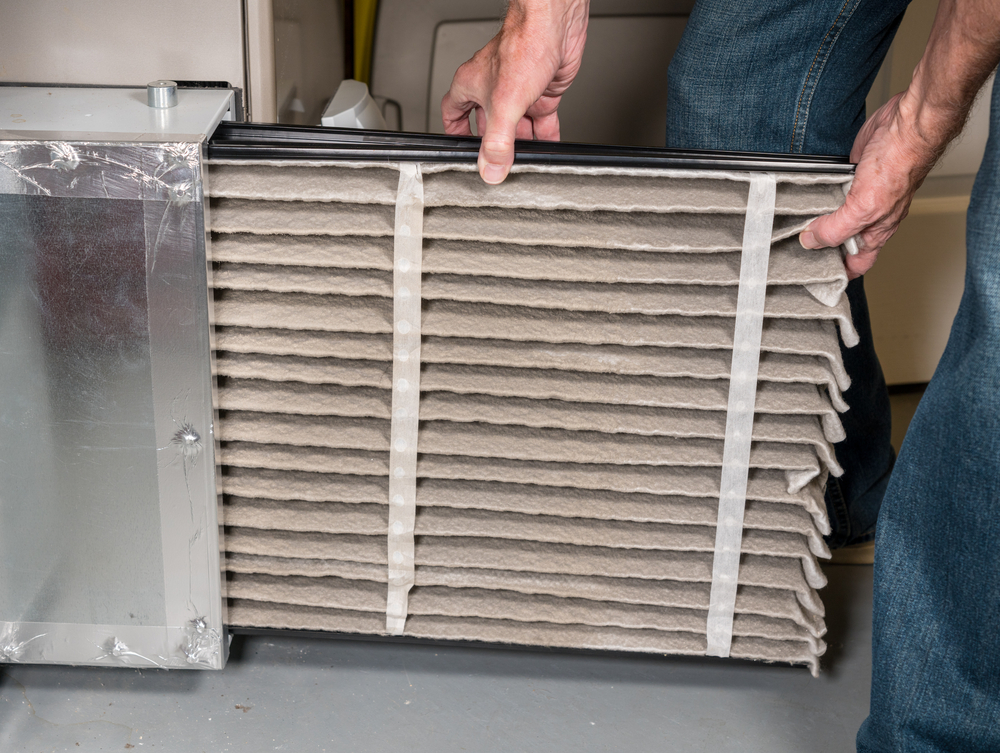
How to Know When to Change Your Air Filter


The Air Conditioner Is Too Hot


When your unit becomes too hot, it's a clear sign that you need to change the filters. A clogged filter makes the system use a lot of energy to keep the house cool, leading to frequent air conditioner repairs. Therefore, you need to change the air filter frequently to avoid further damages to the unit.

Air Not Cold Enough


Reduced air circulation in the home attributes to various problems. The first place to check when you notice that your unit isn't cooling is the air filter. When the filter gets dirty, it blocks fresh air, causing the home to become hot. It's a sign that you need to change the air filter.

Increased Electricity Bills


An increase in electricity bills often means there is something wrong with your unit. It could be a fault within the system. Although the bills could go high in hot seasons due to the unit's high usage, it gets even worse when you have a dirty air filter. Once you notice higher bills, it could be time to change your air filters.

The Bottom Line


Every part of your HVAC unit needs to work correctly so that the unit remains functional. Meaning, you need to ensure that you work with a professional who will help you check every part of the system to ensure that it's well functional. It's how well you maintain your HVAC that determines how long you enjoy it. If you notice any slight changes in the system, it could be a sign to call for an expert to fix the issues.


Wednesday, September 30, 2020

Know When To Replace Your Commercial Refrigerator Or Compressor

Know When To Replace Your Commercial Refrigerator Or Compressor


Commercial refrigerators are essential to many industries. Food services, gas stations, and convenience stores rely on proper refrigeration for much of their sales. When a residential refrigerator needs to be repaired or replaced, it is often easy to detect because it's an integral part of the home. While we may not live at work, we need both residential and commercial refrigerators to function properly.

When Does A Commercial Refrigerator Need To Be Replaced?


When a commercial refrigerator or compressor needs to be replaced, it isn't always obvious. Food that goes bad or rancid before the expiration date can smell, and customers may complain, but that's not the only sign a refrigerator is having problems.

A compressor is an integral part of the commercial fridge. A compressor consists of coils, piping, gaskets, and controls that can be difficult to replace if a refrigerator is over ten years old. Once a compressor ceases to work, the refrigerator cannot pump enough cool air to match the temperature setting and is considered faulty. When a compressor ceases to work all together, the refrigerator will likely stop running.

Signs a commercial refrigerator needs to be replaced include:


  • The sudden influx of frost

  • Puddles of water surrounding the fridge

  • Loud or unexpected noises coming from any part of the refrigerator

  • A sudden increase in the electric bill

Energy Efficiency for Commercial Refrigeration


When a commercial refrigerator ceases to work correctly, it can dramatically increase an energy bill's cost. Whether this happens all at once or a little bit over time, you could be spending far more on bills than it would cost to replace the commercial refrigerator.

According to the U.S. Small Business Association, approximately a quarter of electricity consumption is from commercial refrigeration. Buying an up-to-date commercial refrigerator is an investment not only for the quality of service provided but also for future energy bills.

If a commercial refrigerator is over ten years old, repairing it is not advised. It is less expensive in the long run to replace a commercial refrigerator if it is close to a decade old. Using a newer model, you can spend less money on bills and future repair costs.

3 Factors To Consider When Replacing A Commercial Refrigerator


If you haven't replaced your commercial refrigerator in several years, you may not know which type to buy. Depending on your needs, commercial refrigerators come in different sizes with different benefits.

1.) Repair costs. Buying a less expensive commercial refrigerator has its positives and negatives. While you may spend less money upfront, there may be more repair costs to factor in. The cost to repair a commercial fridge can be higher than a residential fridge, and if you are not aware of the price, it can catch you off guard. Most people schedule yearly repair checks so that the cost doesn't build up over time.

2.) Reliability. Commercial refrigerators must be reliable when running a food service. An energy-efficient refrigerator won't raise utility costs and can be used in almost any business. For questions about which appliance would work best for your specific energy consumption, a trained technician can help.

3.) Functionality. Different refrigerators are built for various purposes. Depending on the type of business you run, certain refrigerators may work better than others. Whether you need glass doors or extra room, commercial refrigerators come in a wide array of styles.

Some of the most popular commercial refrigerators include reach-in refrigerators designed for kitchens, worktop refrigerators that can be used as a makeshift table, and walk-in coolers. Walk-in coolers are a wise investment for businesses struggling with Arizona heat. Large quantities of food that must be kept fresh and healthy to eat need serious refrigeration.

Commercial refrigerators will usually need some kind of refrigeration maintenance. While this should not happen on a regular basis, it is wise to have scheduled visits to keep appliances running smoothly. Monthly checks that can be done without a service technician can include checking the gaskets, paying extra attention to the drain, and cleaning the condenser.

For help replacing or repairing appliances, our trained technicians can help. We offer help with a variety of A/C systems so that you can maximize your business's potential. For more information, please call or email today.

Reach in commercial refrigeration replacement units

Monday, September 28, 2020

Do I Need to Winterize My Evaporative Cooler in Phoenix? 

Do I Need to Winterize My Evaporative Cooler in Phoenix?


While Arizona has a surprisingly diverse range of biomes and climates, Phoenix is by far its most well-known city for heat extremes. With temperatures soaring higher than 90 degrees more than 160 times each year, and a hot season that spans almost ten full months, Phoenix is easily one of the hottest large cities in the United States. It's also very dry. As such, numerous households throughout the region rely on a strategic combination of refrigerant-based cooling equipment and evaporative coolers. Also known as swamp coolers, evaporative coolers can benefit from routine maintenance and timely winterization. Read on to find out why.

Four Benefits Of Winterizing The Evaporative Cooler In Your Phoenix Home


Whether used as standalone cooling solutions or as part of more complex needs-specific cooling plans, evaporative coolers can produce a considerable change in the indoor environment. Sadly, however, just one harsh winter can leave this equipment under-performing or severely damaged. Timely and effective winterization strategies can prevent expensive repairs and far more costly replacements.

Stave Off Problems With Mildew And Rust


There's always a significant amount of stagnant water at the base of an evaporative cooler. Over time and absence of proper maintenance, this can lead to problems with rust and mildew. When this standing water starts to freeze and expand, additional damages will arise. During winterization, standing water at the base of your evaporative cooler is emptied via the drain plug. Excess minerals are then completely flushed away. The collection pan is dried, and the dangers of freezing, expansion, corrosion, and contamination are eliminated.

Winterization Keeps Your Cooler Protected From The Elements


No matter what the cold season has in store, your evaporative cooler will always be exposed in part to the natural elements. For instance, when freezing isn't a problem, accumulations of dust and other airborne particulates can find their way into the ducts and the unit motor. Coolers that are left exposed year-round tend to wear down much faster than those that are routinely winterized. Measuring your unit and investing in a proper-sized cover will help prolong the cooler's lifespan.

Winter Covers For Evaporative Coolers Help Prevent Heat Loss


Although much of the year is probably spent trying to cool your living space down, consistent heat loss during the colder months will prove equally frustrating. Covering your swamp cooler can limit heat loss by sealing up cracks, gaps, and other openings around the installation through which warm air might otherwise escape. For optimum efficiency and the least amount of heat loss, be sure to check for cracks and gaps throughout the home.

Keep The Water Line From Freezing


Frozen water lines are always problematic in outdoor plumbing and cooling components. As water freezes, it expands or increases in overall volume. This expansion can rupture any transport line or other component that holds it. The potential for freezing and expansion is one of the top reasons to have your evaporative cooler properly winterized. You don't want exceedingly cold temperatures to sneak up on you. Avoid these problems by shutting the water supply valve off, disconnecting the supply line, and letting all water slowly drain out. Then, place the waterline down in an area where it cannot be affected by severe temperatures. With our evaporative cooler winterization services, all of this will be done for you.

When To Winterize Your Swamp Cooler


Winterization should be performed just when you no longer need your evaporative cooler on a daily basis, and slightly before truly cold temperatures hit. For many Phoenix households, this is usually in the mid-to-late fall, right around November. Check for temperature highs that are averaging in the mid-50s and take note of whether you're household is using the cooler increasingly less often.

Comprehensive and model-specific winterization is often best performed by licensed professionals. Scheduling your winterization service in the early to mid-portion of fall is a great way to avoid the last-minute, seasonal rush. This is also an excellent time to schedule a full fall maintenance appointment to undo the ravages of the past hot season. Be prepared to have spring maintenance performed again, just ahead of summer.

Additional Strategies For Preventing Heat Loss In Your Phoenix Home


With every heating and cooling system, heat loss or air leaks throughout the home are a critical concern. These problems can have an impact on how hard your equipment has to work, how much wear it sustains, and how long it will last. More importantly, they can also have a regular and sizable impact on your home energy spending.

Beyond covering your evaporative cooler in the winter and sealing up air leaks at all windows and doors, you should additionally assess your home's insulation. This should have a sufficiently high r-value for the region and for the general needs of the building. If you believe that your home insulation is too sparse or rated too low for optimum energy efficiency, consider having it replaced or enhanced.

Winterizing your evaporative cooler will make this essential equipment last longer and work better. This is the surest way to prevent damages and limit wear as colder temperatures set in. Call us today to have your evaporative cooler or other home cooling equipment professionally inspected, winterized, and maintained.

Saturday, September 19, 2020

FAQs to Determine if You Should Repair vs. Replace HVAC

FAQs to Determine if You Should Repair vs. Replace HVAC


The Heating, Ventilation, and Air Conditioning (HVAC) system is among the most expensive and vital parts of a home. This is the reason why homeowners are always in a dilemma on whether to repair or replace the system when it starts to display warning signs. When your heating and cooling system is underperforming, you immediately call your contractor as you are used to repairing the system.

Before deciding whether to repair or replace, you have to consider the cost, health, home comfort, and safety concerns. Let us look at what you should consider before repairing or replacing your HVAC.

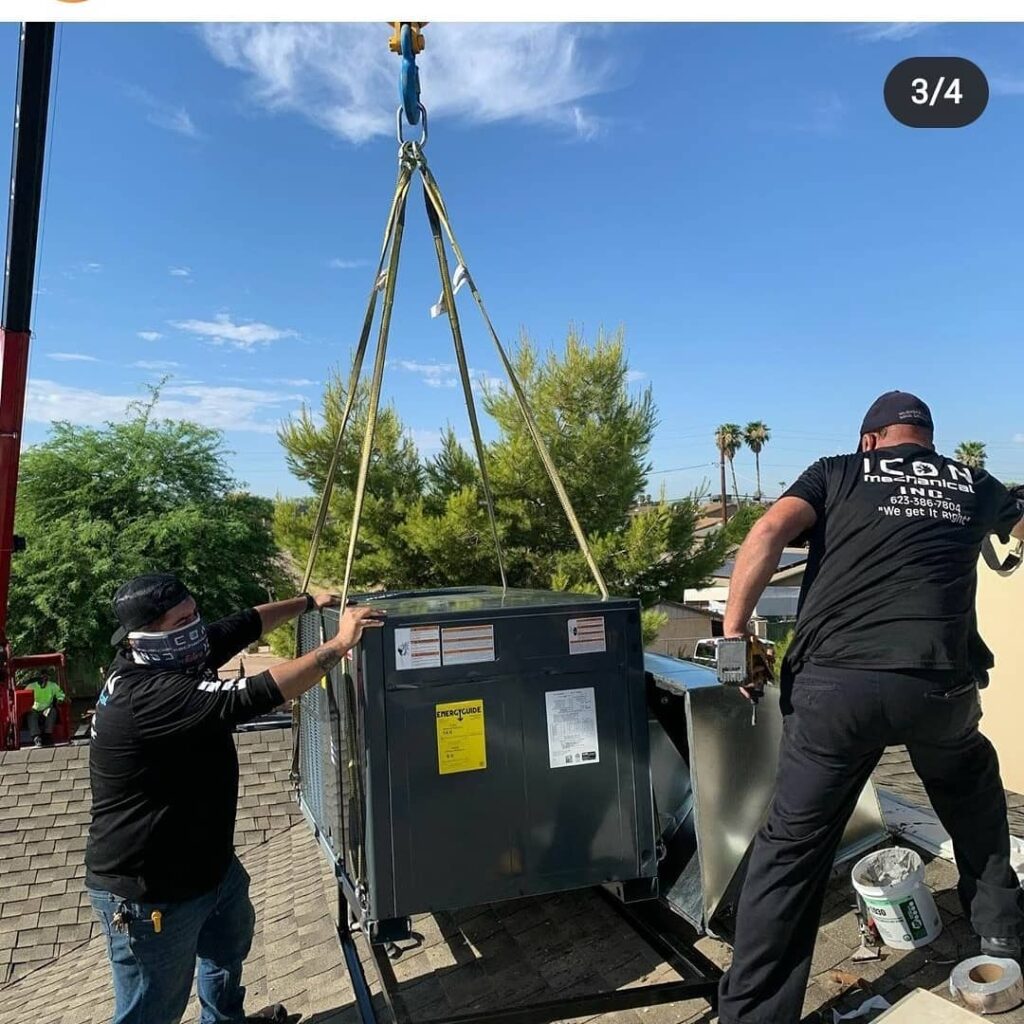
Icon Mechanical Techs doing an AC replacement in Phoenix

The Age of your HVAC system


If you have been using your HVAC system for more than ten years, you should consider replacing it. However, most systems have a lifespan of about 15 years; therefore, if the system is not yet that old and only needs minor repairs, you might be able to get away without replacing it. But, it would be best if you considered the cost of repair vs. using that money towards a new system.

A system that is over ten years old and keeps breaking down should be replaced instead of spending more money on its repairs. Note that when using an older system, you are probably spending more on electricity bills than a newer model would consume. Technology has enabled the manufacturing of modern systems that are more energy-efficient, saving you a significant amount of money on utility bills.

Repairs Cost more than 50% of the Cost of Replacing


If you are still undecided about repairing or replacing your system that is more than ten years old, it will make more economic sense to purchase a new system. All HVAC systems need repairs one time or the other. If your system's repair cost often costs more than fifty percent of a new system's cost, go ahead and purchase a new system.

Increased Amount of Dust in the House


Apart from the delivery of heated and cooled air in the home, the HVAC system provides ventilation as well. An efficient system improves air quality inside the house. This is done by removing dust, dirt, pet dander, and keeping humidity levels under control. If, in recent weeks/months, you have noticed more dust in the house than before, it might be a sign that your system has reduced its efficiency in removing dust. It also may mean that you should consider cleaning your air ducts.

Accumulation of dust in the home is a danger to your family's health as it can cause allergies and asthma. If you have small children or older adults in the house, you should immediately replace the system as they are more prone to acquiring respiratory diseases.

Inconsistent Temperature in the House


An HVAC system that struggles to provide consistent temperature in the home should concern the homeowner. Inconsistent temperature translates to your system being unable to supply conditioned air throughout the house.

Temperature inconsistencies are caused by several factors: low fluid levels, a broken thermostat, clogged filters, cracked ducts, improper ductwork installation, or severe motor damage.

Some of these issues, such as clogged filters and low fluid levels, can be rectified without replacing the entire system.

Contact Icon Mechanical to assess all the parts that are not working and determine if it would be better to repair them or replace the system. Opting to keep using the HVAC system as it is may continue to cause discomfort in your home in addition to increasing your energy bills.

Compare the Cost of Repair vs. Cost of a New System


Get an estimate of a new unit


Credible HVAC installation services will give you an estimate of a new system free of charge. They go further to help you compare different models and their energy efficiency. The estimates will help you determine the real cost of a new system and its savings on monthly utility bills.

Gather your utility bills


Retrieve your utility bills to determine the actual amount you are spending on energy with your current HVAC system. Pick peak summer months and compare them with the months when the AC is not in use and average the amount of a few months from each season. This will reflect the cost of energy consumed by the unit. Compare that with the estimated energy cost of a new unit and project the difference over a few years.

Add up the cost of repairs


You already have an estimate of what it will cost you to repair the HVAC unit. But, if the unit is over five years old, it will probably need another repair within two years. What's the estimated cost after two years? The estimates will help you know how much you will spend with both options.

With an old HVAC unit, an AC replacement could be better for you. Current HVAC systems have incorporated technology in their manufacture to give you better comfort and safety for your family. The systems promote health as they remove dust and allergens more efficiently than older models. Contact your local HVAC installation service for a quotation on repairs or a new system.

Monday, September 14, 2020

Your HVAC Maintenance Checklist for Fall/Winter

Your HVAC Maintenance Checklist for Fall/Winter


Are you concerned about ensuring your HVAC system works well for this coming winter? As long as you invest in proper maintenance practices, there shouldn't be a problem. Fortunately, this is easy since all you have to do is ensure that the regular seasonal check is done on time and correctly.

Fall leaves in the grass indicating it is time for an autumn AC maintenance serviceIn addition to that, you also want to have one of our AC Service experts check the system. Our experts check all of your system's essential components, ensuring that you get peace of mind with the surety of a fully-functioning AC.
Factors that Affect your Regular Maintenance Plan


Not all AC units have similar maintenance requirements. Each brand and model of unit requires a specific approach. Some of the factors affecting how you conduct the maintenance include:
  • How old the HVAC system is

  • How big the system is

  • The current condition of the units

  • The specific brand requirements

  • The frequency of use

  • The location of your units

Checklist for AC Unit Maintenance in the Fall/ Winter Season


With the above factors in mind, users need to understand what it takes to properly maintain their units in preparation for the fall/winter season. Several things have to be considered when planning out the maintenance program. Generally, the following should come to mind:
  • Using the proper filters

  • Clearing debris on the outside unit

  • Eliminating clogged drains

  • Ensuring good airflow in ducts and vents

  • Inspecting fan blades

  • Monitoring changes in noise type and level


For a general approach during the fall/winter season, focus on the following aspects:

Clean Air Filters


One of the things to focus on during the routine maintenance is the air filters. These need to be checked regularly. If they are reusable, they should be cleaned in case debris accumulates on them. Alternatively, if they are the less expensive throw-away type, replace them every month or two.

Maintaining the filters in good condition is one way of guaranteeing good air quality supply for your family's needs. Usually, clogged filters translate to an overworking furnace, and in turn, higher utility bills. You can clean or replace the filters on your own, or call an HVAC expert to do a thorough job.

Clear Debris and Dirt


Remove all forms of dirt and debris from the AC unit. This is even more important for ground-level outdoor units. Have weekly checks to remove any dirt that could interfere with the overall functioning of the unit. You may discover that the unit has many pollen, sticks, dirt accumulation, and the leaves that have fallen as the colder weather sets in that hinder the unit's optimal functioning.

Regular checks make it possible for AC owners to discover any lodged items that could interfere with airflow. You may need to use different cleaning methods depending on the type of debris you need to eliminate.

Clean Interior Air Vents


One of the most important preparation hacks for your AC is cleaning the air vents or registers in your home. These tend to get a build-up of pollen and dust on them, minimizing the airflow and negatively influencing the air quality in your home. Make it a habit to periodically clean the air vents, if you want the AC to function optimally all year round.

What's more, it is easy to clean the air vents, which means you should not have a problem doing it that frequently. All you need is a damp cloth and perhaps some household cleaner.

HVAC Professional System Check


Cleaning the system regularly helps keep the AC and furnace working optimally all year long. Sticking to the suggestions made above should help keep your system running all-year long without needing many repairs. However, like all machines, the system may break down. When this happens, make sure that you call a professional to assess the situation. You can also involve our experts in your routine maintenance just to be sure that you are doing it right.

Do maintenance on the AC and furnace units before every season change to keep them working optimally. Factor in the type, age, and condition of the unit when scheduling maintenance checks. Bring in a professional as an easy way to ensure that you are on the right track. Do not hesitate to contact Icon Mechanical for professional assistance.

Tuesday, September 1, 2020

Why Installing a New Air Conditioner Can Decrease Your Utility Costs 

Why Installing a New Air Conditioner Can Decrease Your Utility Costs


Energy costs make up a significant portion of every homeowner's monthly recurring expenses. Consequently, acquiring energy-efficient appliances can help you save up to 30% on utility bills.

With the scorching summer temperatures, almost half of homes in the US have installed central air conditioners.

On average, $100+ is the monthly expense an American homeowner spends on electricity bills. Annually $1200+ is spent on lighting and cooling expenses. That average is likely higher in the area surrounding Phoenix, Arizona due to the hot temperatures for half of the year.

With the advancement in technology, new and improved high-quality air conditioners keep emerging. For that reason, after your AC hits the 10-year mark, you should consider installing a new one.

Installing a new air condition gives you a guarantee of many years of comfortable and fresh air. Below are the other benefits any homeowner will enjoy from a new AC installation:

Unbeatable Comfort

As the AC ages, it tends to face issues like failure to turn on, blow cold air, make noise, and leak water outside, among others.

A new installation, therefore, fixes all the issues mentioned above. A compressor sound insulator ensures that the AC is not making noise when it's working.

Long durability

New air conditioners have features like baked-on powder paint, having a WeatherGuard and WeatherGuard II top, which resist corrosion in that they can thrive in any weather. The outdoor coils are made of aluminum, which ensures the air conditioner can operate for many years.

Provision of improved indoor air quality

Air conditioners not only cool your home but also ensures the indoor air is clean and purified. A new offer you a technology which makes the indoor air quality better.

It guarantees humidity control, efficient ventilation, and high air purification.

HVAC add-ons like improved filtration systems help eliminate dust, mold, pollen, and other airborne pollutants from your home's air supply.

If your home has a history of humidity problem, installing a new air conditioner will save you the cost of repairing water leaks and condenser and filter, which cause dysfunction in your AC.

electricity-power-lines-at-duskA decrease in energy consumption

For the last 10 to 20 years, air conditioners have made significant improvements. One major benefit of advancement is the ability to minimize energy consumption in your household.

Comparing AC to cooling systems, there is a vast improvement in the amount of energy consumed.

If you plan on getting a new AC, look for one with Energy Star-certified unit since they meet strict energy conservation standards.

Choosing an AC with the good Seasonal Energy Efficiency Ratio (SEER) ratings is vital when upgrading to a new AC.


Reduction on Utility Bills

A new AC comes with the benefit of conserving energy. Accordingly, you can save on the average amount spent on electricity bills.

Climate Control recommends you conduct the right size calculation of your home square footage. The calculations ensure that the new air conditioner system you choose can effectively heat and cool your home.

Compatibility with High-tech Features

With a changing world, you need to keep up with the current trends. New air conditioners are made in that they are always compatible with add-ons, unlike older AC's.

High-tech conditioners give you the great benefit of switching to a smart thermostat, custom cooling, energy-efficient features, or zoning systems.

Why is a Better SEER Rating is Worth It?


To get more comfortable during the hot summer months, you require an air conditioner with a higher SEER.

There are two components of higher SEER which provide great indoor comfort to a homeowner. The two components comprise of a variable-speed blower and variable-speed compressor or 2-stage.

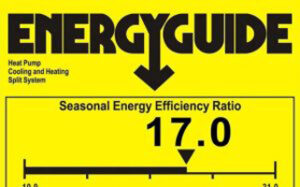
Seasonal Energy Efficiency Ratio(SEER) refers to the cooling output ratio of an air conditioner compared to its cooling season. It is then divided by the energy it consumes in Watts per hour.

Energy Guide Sticker: Seasonal Energy Efficient Ratio 17

The SEER can either be higher or lower, and a higher SEER has more benefits. A lower SEER rating is often a single-stage; hence it operates on one speed. Therefore, you have to keep turning the air condition on and off during mild weather, and you will experience uneven cooling.

During higher humidity levels using an air conditioner with lower SEER will make you feel hotter than the actual temperatures. This is because an AC with a lower SEER needs to operate for an extended period to produce humid air.

An air conditioner with a higher SEER, on the other hand, has a couple of benefits. When installing a new AC, you should consider choosing one with a higher SEER for the following reasons:

• High-efficiency units run for more extended periods at lower pressures and hence ensure active cooling and humidity.

• An air conditioner with higher SEER offers you affordable prices due to the government incentives and the manufactures' rebates on this high-efficiency system.

• A high-efficiency air conditioning system saves on energy consumption and contributes to less greenhouse gas emissions since fewer fossil fuels are being burned. You, therefore, contribute to reducing the cost spent used in environmental preservation.

• Use of less energy translates to less cost on energy bills. When you change from an old 8 SEER unit to a 16 SEER unit, you guaranteed a 50% save on your energy bill. It, therefore, translates to lower utility bills.

Size Matters


Yes. Size matters when it comes to your air conditioner unit. Before installing a new air conditioner, you should consider several factors: the condition of your ductwork, quality, cost, energy consumption budget, maintenance cost, air quality, and size of your home.

Considering the above factors saves you the costs incurred when fixing problems associated with choosing the wrong AC size.

In conclusion, you should consult an HVAC specialist for a check-up and when experiencing problems with your AC. They will offer you a cost-effective solution and help you choose the perfect energy-efficient AC for your home.

Tuesday, August 25, 2020

Central Air Conditioners vs. Heat Pumps in Arizona

Central Air Conditioners vs. Heat Pumps in Arizona


When it's time to upgrade your AC, the question on many Phoenix, Arizona homeowners' minds is which the best is – central ACs vs. heat pumps? The choice you make may impact your home comfort and budget, so you might want to know more about these cooling systems.

Fortunately, we have plenty of experts who have years of experience in this field. We are here to help you with the decision-making process and help you select the best choice for your home's needs. Let us look at how each cooling system works, their price, and how their energy efficiency compares.

We offer various cooling products that will deliver efficiency and amazing value for your Phoenix, Arizona, home. Our experienced technicians will install your new central AC or heat pump to meet your home's cooling needs for years.

Central ACs vs. heat pumps


The key difference between the two is that heat pumps use a heat exchange process to both cool and heat. And, technically, Air conditioners only cool the air. They are usually paired with a furnace for heating your home.

How central ACs vs. heat pumps operate


Central ACs and heat pumps depend on the same mechanism to cool indoor air temperatures. Both systems use a compressor to compress the refrigerant in the system. Air is compressed inside the compressor, causing its temperature to increase considerably. The air will then pass over the condenser coil, where it chills to a certain temperature.

As air passes over the coils, it expands, causing the temperature to drop and cool the evaporator coil quickly. A blower located within the air handler will draw air through the chilled evaporator coil to provide cool air to your home's interior. The key difference between the two cooling units is that a heat pump can reverse the process by changing condenser and evaporator coils' function to increase inside temperatures. Whereas ACs usually need to be paired with a furnace system to heat your home.

AC vs. Heat Pump Energy Efficiency


A cooling system's energy efficiency is an essential factor when selecting between a heat pump and an AC. This is because the more energy efficient your cooling system is, the less energy will be used, thus keeping your energy bills low. ACs and heat pumps' efficiency is measured using the SEER score. An AC and heat pump with the same SEER score; use the same amount of energy to cool homes under the right conditions.

ACs can have efficiency issues when outside temperatures are extremely high. This is because ACs are made to sufficiently cool your house when the difference in inside and outside temperatures don't exceed 20 degrees. During the Phoenix area hot summers, temperatures will rise significantly above this point, and an AC will not as effectively cool your home.

On the other hand, heat pumps don't have as much of an issue with high outside temperatures. They provide pretty close to the same efficiency cooling regardless of the temperature difference between inside and outside temperatures.

AC vs. Heat Pump Heating


ACs cannot heat your home; they are usually paired with a furnace of some type. As temperatures reduce, many homeowners turn off their air conditioners and use heating systems such as gas or electric furnaces for warmth.

The heat pump is unlike the AC as it provides heating by reversing the cooling process.


AC vs. Heat Pump Prices


Heat pumps can cost about more than simple ACs because heat pumps are used for both heating and cooling. But they are comparable and can even be less expensive than a complete AC/furnace system. They do operate all year round – which can shorten their longevity compared to the other system due to wear and tear in the system.

Which One Should You Choose?


Choosing between an AC and a heat pump depends on various factors, with the most key one being climate. Areas of Arizona such as Phoenix, usually have a temperature of 40 degrees and above in the winter which is fine for a heat pump. A heat pump will not work very efficiently in places Like Flagstaff where the temperature drops to below 40 degrees for extended periods of time. They often come with a backup heating element, but they lose their heating efficiency and consume more electricity.

Contact us when you need more information on ACs vs. heat pumps. We can provide skilled installation and maintenance services to deliver the best system operations from your AC or heat pump.

Thursday, August 20, 2020

Air Conditioning Systems and Short-Cycling 

Air Conditioning Systems and Short-Cycling


Keeping Your Air Conditioning System in Fine Working Order


It's crucial to maintain an air conditioning system that's reliable all year long. That's why you have to stay on top of everything from short-cycling dilemmas to bizarre noises and sounds. If you want to attain and maintain a cooling system that's simultaneously effective and dependable, then you should take a close look at the universe of short-cycling. A rock-solid cooling system can make reveling in pure comfort in sun-kissed Phoenix, Arizona easy and pleasant for anyone. 

What Exactly Is Short-Cycling? 


Short-cycling is a pretty typical concern in the cooling realm. In brief, short-cycling describes an air conditioning unit that has somehow gotten trapped in a start-up rut. That means that it switches on swiftly. That also means that it switches off just as quickly. It doesn't ever finish a cooling cycle in its entirety. 

Air conditioning systems that are in excellent working order give their compressors power. They operate until their associated thermostats detect that they've accommodated their temperature requirement in full. After that happens, air conditioning systems reduce compressor power. If you have a system amid a short-cycling crisis, this does not take place at all. That's because the compressor ceases to work way too early. It does so before the cooling cycle finishing. If this takes place, it forces the compressor to overexert itself. 

Possible Short-Cycling Causes to Consider 


Short-cycling is, in many cases, thought to be a sign of an overarching dilemma. It can be a sign of all sorts of much more significant troubles. It may point to an air filter that has a clog, first of all. It may denote an air conditioning system that's way too big. It may indicate one that's too small. If you have a short-cycling crisis on your hands, your refrigerant charge may not be adequate. This may be the outcome of leakage. Ventilation system woes can also contribute to short-cycling. If your system has a leak, then it may encourage air to make its way out. Don't forget about the possibility of thermostat woes, either. A faulty thermostat may display temperatures that aren't right.

Reasons That Short-Cycling Isn't a Positive Thing for Cooling Systems


You should never be okay with an air conditioning system that has a short-cycling issue. That's because short-cycling can lead to all kinds of effects that aren't exactly conducive to positivity. 

Cooling systems consume significant amounts of power once compressors begin operations. If you have a system in a rut that involves starting up repeatedly, it can utilize much more power than necessary. This can be problematic for a significant reason. It can encourage a compressor to have to rack up deterioration that's much speedier than normal. If you want to protect yourself from all of the hassles of failure, you should stay on top of short-cycling woes. If you want to protect yourself from all of the headaches of excessive heating, the same thing goes.

Swapping out a fatigued compressor can cost you an arm and a leg. If you want to keep your expenses in check, it may be preferable to go for full system replacement, believe it or not. 

Allowing short-cycling issues to get more intense with time is never a suitable path for anyone. If you allow short-cycling to continue, it may interfere negatively with the longevity of your cooling system. It may make you have to spend a lot more money on professional repair services. It may interfere negatively with your feelings of ease and serenity indoors. It may even squander considerable amounts of electricity. If you want to slash your costs and boost your ease of mind at the same time, you should stay on top of your short-cycling status no matter what.

Steering Clear of the Possibility of Air Conditioning System Short-Cycling


You can make your daily life easier in Phoenix by doing what you can to keep the hassles of short-cycling at bay. Prevention is better than cure, after all. If you want to keep short-cycling dilemmas out of your thoughts, then you should invest in routine maintenance service from seasoned and trained HVAC technicians. You can also take charge of some basic upkeep tasks all by yourself. It can be a terrific idea to assess your air filter on a routine basis. 

It can be favorable to assess the positioning of your thermostat. It can do a lot to install your thermostat on an interior wall within your residence. Try to find a spot that's a piece of cake to access. You need to see to it that your thermostat isn't right by the return air register. This can lead to mix-ups that involve immoderate amounts of cool air. If you want to stay away from incorrect readings, you should prioritize appropriate thermostat positioning time and time again.

You should evaluate the amounts of refrigerant your cooling system has by recruiting a capable HVAC technician for this specific task. A professional can introduce extra refrigerant any time the need pops up.

Swapping out low-pressure control switches can also do a lot for people who want to manage their air conditioning systems effectively. You can recruit an adept HVAC technician for this specific assignment, too. Call our Icon Mechanical to find out more about our air conditioning maintenance specialties. Pencil in a maintenance session today.

ac technician working on an air conditioning unit to stop short cycling

Thursday, August 13, 2020

What Causes an Air Conditioner to Freeze Up?

What Causes an Air Conditioner to Freeze Up?


During the warm season, when you use the air conditioner often, it can get iced up. You may think that AC freezing is a good thing that will help produce more cooling. However, the air conditioner works well through controlled pressure, airflow, and temperature.

When this destabilizes, the refrigerator system may overclock and freeze without cooling your air at all. You are probably asking how an appliance that works all through the hottest days of the year freezes. Please keep reading to gain more insight.

How your AC Makes cold air


Before we dive into the problem, it would be wise if you understand how your AC works. Generally, the device pumps hot air from your house to the outside. The AC contains an extremely cold refrigerant that requires warm air to blow across it.

When you activate your device, the blower in the inside part pulls over all the warm air from the room and sends it to the refrigerant coil. The basics being, heat loves to move from warmer sections to the colder areas. When the warm air gets to the refrigerant, it begins to boil, changing the state from liquid to vapor.

Further, the vaporized air flows to the compressor unit, which pumps it at higher pressure to increase the temperature. So, why would we need hot conditions at this point? Well, heat often flows from warmer to frozen sections. From step one, we got cold air, and if we want to get the heat out of the compressor to the outside, we may have to increase the temperature.

The hot vaporized refrigerant proceeds to another coil, surrounding the compressor. It contains a fan that pulls in cooler air from the outside and expels the warm vapor. As the refrigerant moves from the outdoor to an indoor unit, it gets through a particular section that allows the warm liquid air to expand in volume, decreasing the temperature even further.

So why do we lower the temperature again? We need to get the refrigerant system cooler than the indoor air to pull more heat out of the room.

The Effects of Humidity


When humidity levels spike up, your home will feel warmer. In this case, your AC will have to work a bit harder for more extended periods to remove the excess heat. The unit may thus begin to wear out.

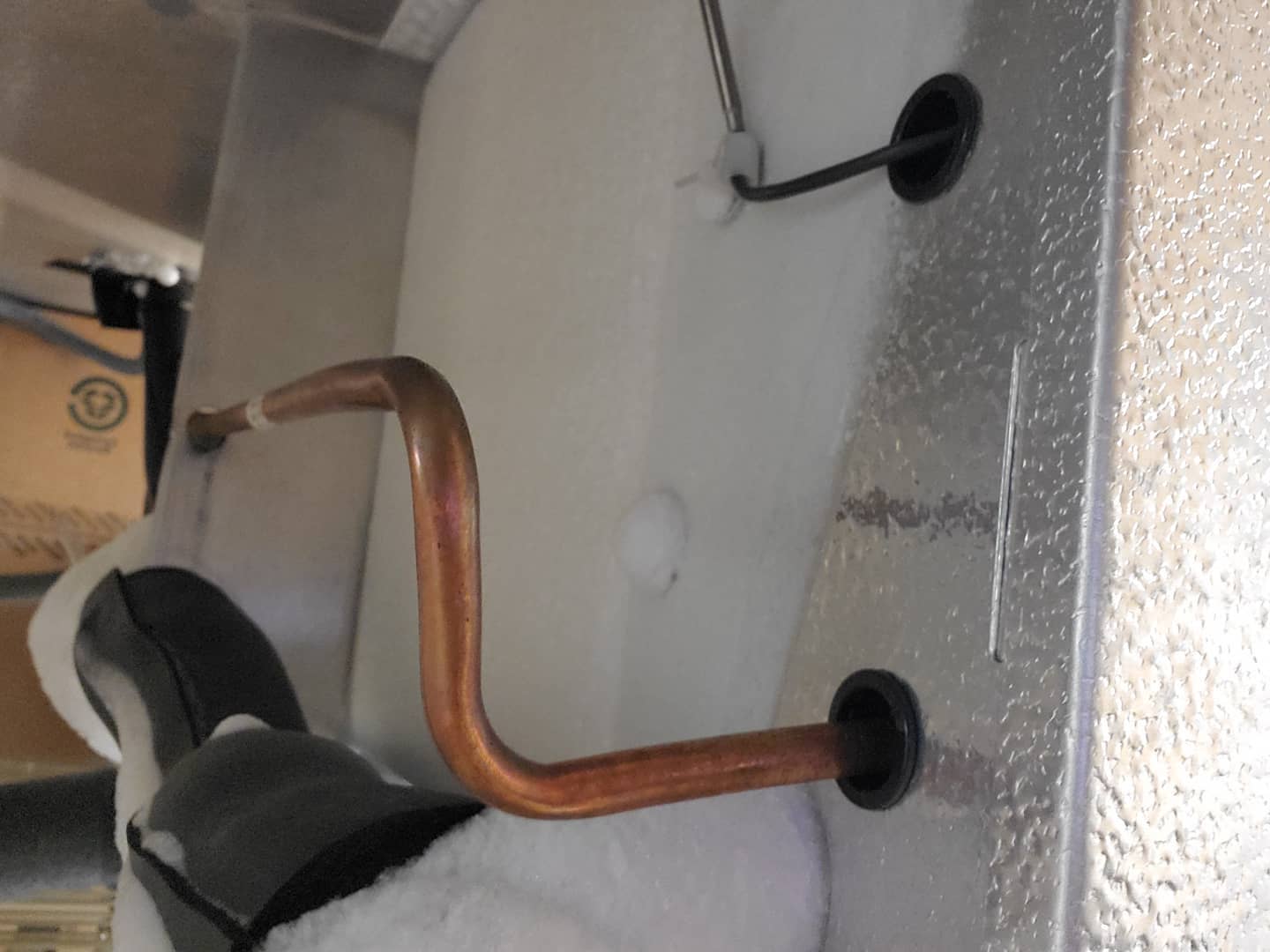
With high moisture accumulation in the air, ice begins to form on the coils insulating it, in that the warm air won't reach them. When this happens, your house will feel moist, with some foggy windows and a dump smell. Mostly, it occurs when you have an inefficient, older, or wrongly sized device.

Ice build up in an evap cooler AC unit

Common Causes of Freezing up


There are multiple causes of your unit freeze up. It could be due to one or a few of the following.

Insufficient airflow


If the air conditioner fails to blow warm air across the refrigerant system properly, heat exchange will not occur efficiently. It could happen due to collapsed or blocked ducts, which stops air from flowing to the coils. Further, lousy blower motors may stop air from flowing fast enough to the coil.

Additionally, your AC requires electricity to run efficiently. In the case of low voltage, it underpowers the fans or motor, further contributing to the freezing problem. Lastly, most people neglect the air filter, which, when filled with dust, becomes clogged, slowing down airflow. When there is no enough air to keep them at an optimal temperature, the coils begin to freeze.

Low Refrigerant


The level of refrigerant in the coils affects pressure management in the AC. In a properly functioning system, the warm air converts the liquid refrigerant into a gas, dropping the pressure, then turns it back to a liquid and pushes it to the blower fan.
With low refrigerant levels, when the warm air moves to the compressor, it may condense the moisture and ice up the coils. High accumulation will affect airflow, and the system may fail to function appropriately.

Dirty Coils


If your system runs on a low-quality filter or none at all, dust may block the coils. Due to the moist air on the cooler surfaces, the coils appear dump often, and when dust blows across them, it may result in a thick build-up. Again, it obstructs airflow trapping cold air into the coil that causes freezing.

How to fix it


If you notice some ice build-up in your AC, first shut it off, let it thaw to prevent risking damage on the compressor. Next, check the condensate drain and ensure that it isn't blocked. While the AC is still off, you can leave the fan on to add some airflow, which will help melt the ice faster, reducing the problem. In high-temperature areas like Phoenix, Arizona, it won't take long for the ice to melt away.

Further, open the duct and suction out all the water. Once the ice fully melts and you unblock the drain pan, you can turn your system on. It should begin to work immediately, but if it fails to work, you may have to seek expert help.

A freezing AC is a problem that can be very frustrating. However, you can prevent this with some regular maintenance or fix it using the above tips. If your air conditioner still freezes up even after trying the above suggestions, you can reach out to us. Schedule an appointment, and we will meet all your AC maintenance and repair needs.

Friday, August 7, 2020

Why is SEER important to my AC system, and what does it mean?

Why is SEER important to my AC system, and what does it mean?


Homeowners should be vigilant in implementing ways of saving energy while conditioning the temperature of their homes. Based on research, it is evident that air conditioning systems use more energy than any other system in your home. AC systems that are energy efficient have a higher SEER number.

What Does SEER Mean?


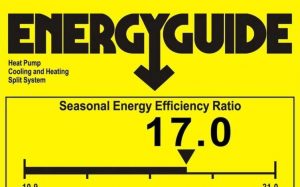
Energy Guide Sticker: Seasonal Energy Efficient Ratio 17

SEER is a common terminology used in HVAC technologies. It is the abbreviation of Seasonal Energy Efficient Ratio. It can be described as the ratio of cooling emitted by an air conditioner over the amount of power used. As such, a higher rating means that the system has greater efficiency.

If you are planning to purchase an HVAC system, consider systems with a higher SEER rating. You save money on energy costs because of the efficiency of the system. In some locations, HVAC systems are known to have a minimum rating of 13. But, some older homes' AC systems may have a SEER rating of as low as ten. This usually translates to extra costs of energy consumption.

If you want to know where you can find your HVAC system SEER rating, you can check the Energy sticker of your unit. It no longer has a legible sticker, you might need to look up the make and model online and try to determine the SEER. You can also call us and we can help you determine your unit's efficiency.

What is a good SEER?


As long as your system is above 13 SEER rating, you are in pretty good shape. However, if you have a system with a SEER rating less than that, it is probably time to look for a higher SEER unit.

As you look forward to acquiring your system, you also need to remember manufacturers' rebates and tax credits. They can help you reduce the cost of HVAC systems since they can be, at times, expensive to install. As an added benefit, you will get a chance to reduce greenhouse emissions, thus, protecting the environment.

If you still have more questions on the best SEER AC unit, get expert HVAC help from us.

Does a higher SEER cool better?


Higher SEER number does not only mean you are cooling your home better, but also making it more comfortable. Air conditioning systems with higher SEER ratings often have a variable speed fan as well as 2-stage cooling. The two features improve the system's energy efficiency and provide better cooling compared to older systems.

Older systems have only the on and off modes compared to an advanced system with a variable speed fan and 2-stage cooling. As such, the advanced system with a higher SEER rating can meet all your cooling needs with minimal energy draw.

With such an efficient system, you are bound to achieve less hot and cold fluctuation. The more you run the system, the more you get even air temperatures in your home.

What is the ideal SEER rating for my home?


The ideal SEER rating of your home should be the highest you can afford at the time of installation. But, anything above 13 and you are likely to get better benefits. In locations like Phoenix, a higher SEER rating system would be ideal due to extreme heat levels.

An HVAC system should ensure that you get the comfort that you need in your home by regulating the temperature levels efficiently. If you have any questions regarding the best HVAC systems for your home, you are one call away from getting your answers. We can come to check out your AC units to determine the best course of action for you, as well as service & maintain your air conditioning systems.

Monday, July 27, 2020

How Air Duct Cleaning Affects Your Home AC Performance

How Air Duct Cleaning Affects Your Home AC Performance


When dealing with the heat of the summer, your air conditioning system's ability to function at its peak is of the utmost importance. Throughout the southwest, you must be vigilant about heat-related ailments, s they can be quite severe and come on quite suddenly.

Many people like to think that just because they have one of the best air conditioning units available will perform to a high degree. The truth is, many factors play a role in how well your cooling unit operates. W know to keep windows and doors closed to prevent the cold air from escaping, but have you thought about how well it can circulate within your home?

The air ducts inside your home, if properly cleaned and maintained, can provide adequate circulation for the air, allowing your air conditioning system to function at its peak performance level.

How Do Air Ducts Get Dirty?


Many people do not realize that air ducts become soiled because of interior and exterior contaminants. Your daily activities, such as cleaning or cooking, can cause loads of chemicals to spray into the air, clogging up the ducts that are supposed to provide clean air. Similarly, chemicals from the outside, such as pesticides, smoke, and exhaust fumes can seep in through walls and blemish your clean ducts.

The moisture caused by a cooling mechanism in your air conditioner is also a likely culprit. The reason for your air ducts being dirty is essential, but so is having them professionally inspected and cleaned out or repaired if need be. Once your air ducts are free and clear of all mess, your home will have a more consistent and stable temperature.

Benefits of Getting Air Conditioning Ducts Cleaned


In addition to allowing for greater consistency in your home's temperature regulation, clean air ducts can also improve your general health. It makes the environment in which you live cleaner by significantly reducing the amount of dust flying from room to room.

Just as with the dust, cleaning the vents associated with your air conditioning system can reduce the number of allergens in the air. Not only will your home be more comfortable, but it will have fewer of those pesky irritants. A lot of the air that flows through an already contaminated air vent is likely to contain a high amount of dangerous micro-organisms that can damage the safety of your health.

Getting rid of these harmful particles floating on your air can make your home smell more pleasant, but you can make a deep sigh of relief. Having your air ducts professionally cleaned, especially in a place as warm and close as Phoenix, dramatically reduces your likelihood of suffering from respiratory distress.

HVAC technician doing a residential Air duct cleaning & inspection

How Often Should My Air Ducts be Cleaned?


Part of owning a home is performing the regular, routine maintenance on it. This includes your air conditioning ducts. While air conditioning ducts can get very clogged from outside contaminants, in a residential home, it is recommended to have your ducts looked at every three to five years. If your home also serves as a retail or commercial space, it is recommended that you do this more often. With more pedestrian traffic, your air ducts are likely to trap contaminants more readily.

Of course, this three to five-year rule is only the case if you previously had a thorough cleaning. The age of your home can also cause this to be a more frequently needed task. If you or a member of your household is often in respiratory distress or was recently diagnosed with a significant respiratory disease, know that having your air conditioning ducts cleaned out well by a professional is often the first step to alleviating some of their discomforts.

The air ducts in your home allow for the proper circulation of air, helping your air conditioning system perform at its best and remove harmful chemicals from the air. Cleaning these ducts enable them to circulate air more thoroughly and can significantly reduce these harmful particles in the air. Call a professional in Phoenix today to inspect your system and work with you on an action plan.

Monday, July 20, 2020

How to Choose the Right Ice Machine for Your Business

How to Choose the Right Ice Machine for Your Business


If you are in the food services or healthcare business, there is a good chance that you need an ice machine. An ice machine helps cool your drinks, preserve your fish, and even heal injured muscles.

There are different types of ice makers on the market. They are available in various sizes and styles. It is, therefore, daunting to choose the right one. To choose the right one, you have to consider an array of factors.

As a business owner, it becomes easier to purchase an ice machine when you know what you want. That said, here is how to choose the right ice machine for your business.

Size and Types of Ice Machines


The trickiest thing about buying an ice machine is determining how much ice you need. The type of ice maker you purchase will depend on your industry.

There are several types of ice machines that you can purchase for your business. Each is designed for specific usage. They include under-counter ice machines, dispenser ice machines, and modular ice machines.

Undercounter ice machines


Undercounter ice machines, also known as self-contained machines, are designed to fit under a 40" countertop. They are suitable for business owners with small working spaces. For instance, in bars, owners place under-counter ice machines below the counter to allow easy access to the ice.

Most under-counter ice machines produce up to 300 pounds of ice per day. However, some models can produce more.

Dispenser ice machines


Dispenser ice machines are ideal for businesses that handle large crowds. The main advantage of this ice machine is that it prevents contamination and the spread of germs. They allow you to dispense ice directly into your glass or cup without any supervision. Apart from ice, some also dispense water.

In most cases, the ice from a dispenser is chewable. It is used in drinks such as soda and health facilities.

Dispenser ice machines are available in different sizes and can produce up to 800 pounds of ice daily. Depending on size, dispenser ice machines can store 8-12 pounds of ice.

Modular Ice Machines


Modular ice machines are suitable for businesses that require ice in large amounts. They usually fit on top of an ice storage bin. Additionally, you can modify the machine's setting to produce the amount of ice you want per day. A commercial modular ice machine can produce up to 2500 pounds of ice daily. Storage bins, on the other hand, stores between 250lbs to 1700lbs.

Modular ice machines do not offer storage. It would be best if you bought an ice storage bin. The size of the storage bin is all up to you. Modular ice machines are meant for staff use only to prevent possible contamination. This is also a good type of residential ice machine to use for large gatherings of friends and family.

Types of Ice Cubes


Knowing the different types of ice cubes can help you choose the right ice machine. For instance, there are types of ice that melt faster, while others more melt slowly. Here are the main types of ice:

Cubed Ice


This is the most common type of ice you can come across. It melts slower compared to other types of ice. It is ideal for restaurants and bars. The different types of cubed ice include half cube, full cube, and regular cube.

Nugget Ice


Nugget ice is mostly available in health care facilities. It is also ideal for fast food restaurants. Unlike cubed ice, nugget ice is easy to chew and does not melt as quickly as some other types. It comes in handy when serving, beverages, blended drinks, and smoothies.

Flake Ice


Flake ice is mostly used when displaying fish or meat. It can also be used to cool blended drinks. Flake ice is soft and easy to chew. It is suitable for buffets and grocery markets where there is usually a cooler to help keep the ice from melting fast.

Water-Cooled Vs. Air-Cooled Ice Machines


After you have decided what type of ice machine you want for your business, the next step is to determine whether you want an ice machine that uses air to freeze the ice or one that uses water. Before choosing your preferred condenser, make sure you consider how much space you have, how much ice you intend to produce daily, and your location.

Air-Cooled Machines


They are very cost-effective because you do not have to spend a penny on water expenses. Their condensers require at least six inches of space around the intake and discharge areas.

Water-Cooled Machines


They use water to make ice instead of air. There are instances where these types of ice makers can outshine ice machines that use air. Such instances include:
  • When the temperatures exceed 80 degrees

  • When there is a high level of contaminants in the air

  • When the clearance space for an air-cooled ice maker isn't enough


It is important to note that this ice machine uses a lot of water, which can be expensive. However, they are quieter compared to ice machines that use an air condenser.

When you use the above tips, you have a better chance of growing your business and satisfying your customers. Contact us here at Icon Mechanical for a specialist who can help you find the right ice machine for your business. In addition to ice machines, we also service and maintain refrigeration systems.

Wednesday, July 15, 2020

Signs Your AC System May Not Be Operating Efficiently

Signs Your AC System May Not Be Operating Efficiently


The summer is a wonderful time for cookouts, barbeques, water activities, vacations, etc. It can also be a dreadful time dealing with the summer heat, especially if you live in an area like Phoenix, Arizona.

Phoenix AZ family cooking on a BBQ

Having said this, having a fully operational air conditioning system is mandatory. And even though each system has its unique sound, various signs may indicate that your system is not operating efficiently. Thus, the following includes signs that your system may not be working efficiently:

Increased Costs


Increased costs in your electric bill could be a result of an inefficient air conditioning system. When an air conditioning unit is not running efficiently, it works harder to cool your home. And as a result, there is a pull on your electricity that will show in your electric bill.

So, it is essential to hire a professional HVAC technician to inspect and service your system regularly. He/she will inform you about any issues found and schedule when it is time to get various services done.

Frequent Cycling


The brains of your home cooling system include the thermostat. If you notice frequent on and off cycling of your system, you may need to get your thermostat replaced. Thermostat systems wear out due to everyday usage and dust.

Otherwise, frequent cycling could be a result of a compressor issue. Nevertheless, a handy HVAC professional can detect and fix the issue for you.

Unusual Sounds


Shut down your air conditioning system immediately if you hear an unusual rattle, clanking, banging, or some other sound that isn't ordinary. Broken components, such as something electrical or fan blades, could cause strange sounds. Therefore, you need to schedule your HVAC technician to inspect and do the necessary repairs or replacements.

Low Airflow


There are a plethora of reasons why your AC system may have low airflow. The following could either be one or a combination of those reasons.

Compressor


Low airflow can indicate an issue with the compressor. As one of the most crucial system components, you must have an experienced HVAC technician to determine if there is a problem with the compressor.

Ductwork Blockage


On the other hand, the low airflow issue could be from a blockage in your ductwork. This is especially true if some rooms have stronger airflow than other rooms.

Pressure Balance Issue


This problem could also be a result of a pressure balance problem. A reputable HVAC technician is vital to diagnose whether it's a problem with your pressure and handle it accordingly.

Filter


Another possibility is the filter. If your filter hasn't been changed recently, you won't breathe in quality air, and you will encounter inefficient airflow. With some air conditioning maintenance plans, you can have the air conditioning professional change out the filter.

A filter that hasn't been changed in a while is clogged with contaminants. And because of that, air can't flow as smoothly and safely, and you and your loved ones' breathing passages will take in the contaminants that are redistributed in the air. The result of this could lead those with respiratory/allergic issues into various health issues.

AC-tech-gloved-hands-working-on-AC-wires

Ensuring your air conditioning system is up-to-par is one main way to ensure you have an awesome summer. Don't take for granted that because your system worked fine during the spring or the previous fall season, everything is fine with your air conditioning unit.

Not only will you and your loved ones feel relief from dreadful heat, but you all will also maintain safe and healthy air quality. The good air quality will eliminate possible illness, especially if you or your loved ones have respiratory or allergic issues.

Furthermore, obtaining routine servicing of your air conditioning system will eliminate more possible costs in repairs and replacements. And as a result, you will have more money in your pockets for you and your family to enjoy for the summer.

So, contact us today for all of your air conditioning system's needs. Our technicians are highly-trained, licensed, and experienced. Additionally, we are more than happy to assist you!

Monday, July 6, 2020

Tips to Optimize Your AC Usage in Extreme Heat

Tips to Optimize Your AC Usage in Extreme Heat


Arizona's heat can make it unbearable in the summer. You may be wanting to stay indoors more often to try to beat the heat, but your a/c might not be able to keep your house as cool as you'd like. Fortunately, you don't have to suffer all summer long because your home is just too hot to handle. You can optimize your a/c usage in extreme heat by utilizing the tips mentioned below.

Thermostat Control


Your a/c is controlled by the thermostat, and if it isn't used correctly, you won't be able to keep your home at a comfortable temperature. Don't turn it up when you are leaving your house for the day, as it will just cause your system to have a difficult time cooling off your home when you turn it down at night. It's more efficient to leave your thermostat on the same setting to keep your home at a consistent temperature.

Woman pushing button on digital thermostat at house

Air Conditioning Maintenance


Your a/c needs to be regularly maintained for it to be able to deal with the extreme heat. Your air conditioning technician will check coolant levels and ensure the system is functioning as it should. This will ensure that it's able to keep your home cool and lessen the likelihood of it malfunctioning in the middle of a summer heatwave. Your technician can also discuss how you can optimize your usage when it's sweltering outside.

Reduce Solar Glare


The sun's heat can come into your home thanks to solar glare as it can reflect off outside surfaces, which will be reflected through your windows. This can cause your indoor temperatures to rise no matter how efficient your a/c is, but you can combat this by utilizing window curtains or having your windows tinted. You may be surprised at how just decreasing the amount of sunlight coming into your windows can help keep your home at a cooler indoor temperature. If you want to go one step further, you can also add insulation to your attic or the inside of your walls. It will act as a barrier between the inside of your home and the sweltering heat outside.

Air Leaks


Many homes have air leaks, and if this is occurring in your home, you will find it nearly impossible to keep your home at a comfortable temperature. Common areas to check for air leaks include around your windows and doors. If you notice that you have a leak around your windows, you may be able to eliminate it with silicone caulk. If there's a leak around your doors, you probably will need to replace the weather stripping to keep hot air from coming inside.

A/C Zones


You can strategically keep certain areas of your home cool by utilizing a/c zones. Your a/c technician can place dampers throughout your ductwork to control how much air goes into each room. This can prove beneficial if you areas in your home that you don't want to cool, such as your laundry room or a utility room.

Supplement With Fans


Your a/c probably can't do all of the work at keeping your home cool in Arizona in the summer. Because of this, you may want to consider supplementing the air with fans as they can circulate cool air around. They will help cool down your home to a more bearable temperature. One of the nice things about fans is that they are relatively inexpensive to use and won't raise your electricity bill very much.

Arizona can be very hot in the summer, but there are some things that you can do to optimize your a/c usage. If you want to check your a/c to make sure that it's running correctly, give us a call today. We can inspect your system and maintain it so that it keeps you cool all summer long.

Monday, June 29, 2020

Need A New Air Conditioner? Everything You Should Know First

Need A New Air Conditioner? Everything You Should Know First


Thermometer in hot AZ summer sunIt's summer.....when we come in to seek refuge from those hot and steamy days, most of us find shelter in cool temperatures, thanks to our air conditioner. How is your air conditioner functioning these days? Are you cool as a cucumber, or are you sweating and steaming over an AC unit that doesn't seem to be running as efficiently as it should be? A properly functioning AC unit is essential in the Phoenix area for much of the year. If you are considering making the investment in a new air conditioner, read on to see what you should know to make the best purchase possible:
When should I replace my old AC?


If your air conditioner is no longer cutting it, it won't be long before you detect an issue with your cooling system. You should consider the replacement of your unit if:

    • It is more than ten years old

    • If it is not efficiently cooling your home

    • If you are facing expensive repairs that rival the cost of a new unit

    • If your energy bill has dramatically risen in recent months

    • If you experience frequent breakdowns

    • If your AC uses R22 Freon

    • If the temperature of your home is not comfortable

    • How should I select a new system?


There are some things that you should consider when selecting a new AC system for your home.

You'll need to consider the SEER, or seasonal energy efficiency ratio, of the unit you plan to buy. In general, the higher the SEER value, the more efficiently it will cool your home. Keep in mind you don't necessarily need the unit with the highest SEER value to efficiently cool your home. Any reputable HVAC supplier will be able to calculate your required SEER ratio based on the square footage and layout of your home.

You'll need to choose the unit that is the right size for heating and cooling your home. The term "tonnage" is used to determine cooling efficiency per square foot of your home; pay attention to this term as you seek something that is energy efficient without breaking the bank or obstructing the view out of your windows.

Look for fair prices; determine what you can comfortably pay for when purchasing a new unit, and stay within that budget. Ask about SEER and tonnage capabilities, and see what options exist for the AC unit that is right for you and your family.

Get bids from several different HVAC specialists to find the best price on the most efficient unit. Most dealers are competitively priced and will work with you to find solutions that work for you and your family. Don't be afraid to ask questions and seek additional information as you make this important purchase, as the right one will serve you and your family well for years to come.

Does size matter?


Having the right size AC unit for your home is essential for proper cooling and manageable energy costs. If you have an AC that is too big for your home, you can cause short-cycling. This condition occurs when your home is cooled before your unit has had a chance to finish a proper cycle, which is extremely hard on your AC. If a unit is too small, it will have to work harder than it should, resulting in a higher risk for breakdown and rising energy costs. Calculating things like SEER and tonnage will give you an accurate measure of what type of power is needed for your home.

Energy efficiency ratings


An energy efficiency rating provides you with a ratio of useful cooling output to energy cost. To calculate the energy efficiency of a unit, you need only to divide its cooling capacity by its power. In general, the higher the EER score, the more efficiently it will cool your home while keeping energy costs low.

What kind of budget should I plan for?


The average new installation of an AC unit ranges from $3350-$5912. Most homeowners do not have this in extra cash, so many HVAC installers and dealers will have financing options available. If you can cool your home with your current unit, it might be wise to save up a portion of the cost before purchasing your new unit. Planning for this important purchase is investing in your home's future comfort and energy efficiency, so plan smart!

Why professional installation is essential


A professional HVAC installer will have the tools and knowledge needed to install your new unit correctly. Attempting to do so yourself can result in injury, damage to your home, and improper airflow and circulation throughout your home, resulting in damage to your home and to your unit. Many professional installers also offer maintenance and installation plans that are ongoing and monthly; for a small service fee, you can have your unit regularly cleaned and maintained, keeping it efficiently running for years to come.

Ready for a cool summer? Give us a call!


We know how important it is to keep your home cool and comfortable during the hot summer months; trust us to get your installation and HVAC maintenance done right! Call us today for a quote and valuable information on the type of AC unit that can make your home your summer oasis!

Monday, June 22, 2020

How Often Do Air Conditioners Need To Be Serviced?

How Often Should You Have Your Air Conditioner Serviced?


Even if your air conditioning unit does not exhibit any problem, it is always a good idea to have it cleaned, inspected, and serviced at least once a year. Servicing air conditioners ensures that they operate with high efficiency and can regulate your home temperature adequately during the hot months. As the HVAC system functions, it accumulates dirt and dust in the hidden areas such as air filters and condensing coils. When not checked, the system could lose up to 5 percent of its functioning efficiency due to the clogging, thus, affecting its cooling ability. Most air conditioner service companies offer maintenance services, in which they offer cleaning and repair services to your HVAC system and repair any noticed fault. Some service providers even go to the extent of offering discounts when customers consider an annual plan that would warrant a regular maintenance schedule. However, below are some of the questions to ask yourself before considering an air conditioner service.

Is It Necessary To Service The AC Every Year?


ac unit being serviced by Icon Mechanical technician for yearly maintenanceYES! Servicing your AC unit every year would mean that the maintenance costs pay themselves through enhanced energy efficiency that helps in saving utility bill money. An annual maintenance service by a professional HVAC company will ensure that you reduce your monthly electricity bill by approximately 15 percent and prevent frequent breakdowns. On the contrary, replacing your air conditioner will mean spending thousands of dollars on a new one. Even small repairs, which could otherwise be prevented by annual check-ups, could cost you several hundreds of dollars. An HVAC expert can always identify and address possible AC unit problems that could grow into costly problems if left unnoticed.

The air filters should be cleaned or replaced every month. If your air filters are clogged with dirt or dust, the AC unit will not work efficiently. A clogged filter would also hold contaminants that mix with the circulated indoor air. Replace or clean the filters every month, particularly when living in a dusty environment or living with pets.

What Happens If It Is Not Serviced?


One of the expected outcomes of an unserviced AC unit is the shortened lifespan. The average lifespan of an AC is between 10 and 20 years, but some can even operate up to 30 years. Cooling systems that do not receive regular maintenance services may not even last for 10 years. It is also likely that an older air conditioner that goes unchecked can be inefficient as it will use more energy, costing you more in the long run. Additionally, an AC unit that is not serviced increases the electricity bills. The HVAC system will not perform efficiently, which will mean more consumption of energy utilities. Alternatively, the AC unit would potentially break down due to unnoticed problems, thus, causing high repair costs.

An air conditioner that is not maintained may still function, but it won't operate efficiently as expected. This would create a greater indoor discomfort, particularly when the temperatures are high.

How Much Does It Cost For Air Conditioner Maintenance?


Most AC service companies provide low-cost maintenance inspections at a range of $75-$200, including cleaning of the AC and replacing the unit's air filter. The inspections are absolutely necessary because they improve efficiency while also making the unit to last longer. You will also need to recharge the AC refrigerant, which costs between $100 and $350. However, this is never done every year, except when there is leakage or a part of it needs to be replaced.

What Should Be Serviced?


An AC maintenance service should involve maintaining the blower, coils, motor, drain line, operating temperatures and pressures, refrigerant levels, supply lines and return, and connections. During the maintenance visits, the following activities should be done to ensure efficient functioning of the AC unit:

• Check the outdoor unit for any damages and free the area from debris, leaves, gunk, or weeds.
• When not at home, turn up the thermostat to lessen the load on the AC system.
• Always confirm if the indoor air vents do not harbor any obstructions.
• Call for repair whenever you notice water leaks, weird noises, and abnormal air temperatures.

How Often Should AC Coils Be Cleaned?


You should have your AC coils cleaned at least once every year. This is because dirty condenser coils can increase the AC system's energy consumption by up to 30 percent. Additionally, dirty coils slow down heat transfer, causing other problems like frozen evaporator coils, poor cooling performance, and overheating of the compressor.

When cleaning the condenser and evaporator coils, an air conditioner expert will gently clean the coils during a routine maintenance visit. The coils will be cleaned by removing debris and dirt and rinsing the coils using a hose. Although the evaporator is usually challenging to access, it can still be cleaned professionally.

An AC unit is an important gadget at home, more so in areas where temperatures are high. It is essential to hire a maintenance service company that can check your unit's condition at least once a year. Always check for an expert who is licensed as an HVAC contractor, and should have liability insurance to protect you when your AC unit gets damaged in the process or an injury occurs. In case your system appears to be working normally, but your contractor proposes expensive repair charges, it is vital to seek a second opinion from other companies with similar experience. A well maintained AC unit will last at least 15 years.

Monday, June 15, 2020

Air Conditioner Running 24-7

Should An Air Conditioner Run All Day & Night?


If you live in a place like Phoenix, Arizona, the summer heat can make your home pretty stuffy and unbearable. Especially for those spending a large part of their day indoors, it's tempting to allow the AC to run 24/7. Is it the best practice, and what can result from allowing the AC to operate continuously?

How Your Air Conditioner Works


Your air conditioner works by removing heat energy from your home. It does so by exchanging the hot air in the building with cooler air that it draws from outdoors. However, it isn't as simple as an air exchange.

In a split AC system, a compressor condenses and circulates the refrigerant through your indoor unit. This compression changes it from a gas to a liquid. The liquid is then pumped through evaporator coils. This is how the trade of cool air for hot air happens, with thermal energy being removed and sent outdoors.

Is it OK to Run Your AC all Day?


Some electrical appliances are built to run continuously. For instance, a computer server needs to be running throughout the year to facilitate user transactions. Thus, servers are equipped with adequate ventilation systems to keep excess heat from destroying the system.

Air conditioners, on the other hand, should not run 24/7. Not only is there a risk of damage to the unit, but also concerns that can affect your family budget.

 Air-Conditioner-Repaired-by-Technician

Keep Your Energy Bill In Check


An air conditioner that runs 24/7 ends up operating at an inefficient rate. Even if your AC were to maintain the same electricity consumption during constant operation, the fact that you can keep your home comfortable with the AC running a fraction of the day should be considered.

Wear and Tear


Air conditioners tend to break down when they are overburdened. This can happen because of a variety of factors. Failing to change air filters and top up refrigerant when necessary can lead to inefficient operation and subsequent breakdown.

Also, adopting best practices like properly insulating your home by plugging air leaks and using fans can help. The less work your air conditioner has to do, and the greater longevity it will have.

How Long Should Your AC Run Before Shutting Off?


Ideally, air conditioners should run for 15 to 20 minutes at a time. The strength of your AC unit should be such so that it cools your home to a comfortable temperature within that spurt of time. If your AC takes longer to achieve this goal, you may need a more potent AC.

This isn't a steadfast rule as some extremely hot days will require your AC to run for longer and even continuously for periods of time. However, if you find that your air conditioner is struggling to cool your space even on mild days without running constantly, you may need to replace it with a better option.

How Long Should You Keep Your AC Off Between Cycles?


On mild days, your AC should be taking three to four breaks per hour. This equates to approximately 15 minutes of off time throughout the hour. This will vary depending on how hot the weather is.

Is it Better to Run the AC All Day or Just at Night?


Air conditioners are at their most efficient when they are running at full blast. When an air conditioner operates non-stop at a lesser speed, this is where inefficiencies appear. Therefore, your AC should be set to run at spurts and cool your space down to your preferred temperature.

Also, regarding night-time operation, keep in mind that your body tolerates warmer temperatures when you are asleep. Therefore, there is no need to have the AC running throughout the night, especially considering that temperatures are generally cooler after dark.

Installing a Smart Thermostat


Because you shouldn't run your air conditioner continuously, it doesn't mean you have to suffer in the summer heat. Installing a smart thermostat can help you keep your home cooled to your preferred temperature. It will also keep your AC running efficiently as it will make sure the unit runs at full speed in short blasts. As we described earlier, this makes the unit consume energy efficiently.

Reasons Your Air Conditioner's Fan Won't Turn Off


One of the more common issues an AC might face is that the fan won't turn off. This can be due to a stuck relay that keeps the circuit closed. If not because of the relay, it could be that your thermostat may need to be replaced.

Before you get too stressed and think that the worst case is playing out, take a look at your thermostat settings. Try setting the desired temperature above your current room temperature. This will cause the AC to turn off.

If the AC fan is still blowing, check to see that the fan setting on the thermostat is not set to 'on' and that it still runs when you switch it to 'off' or 'auto.' After you've made sure that the settings are correct, get in contact with a knowledgeable technician.

Taking a Proactive Approach


There are measures you can take to ensure that you help your air conditioner do its job correctly. Try and keep your house as cool as possible so that the AC can function as efficiently as it can. Using curtains that are made out of reflective material will help mitigate the heating effects of the sun. By finding and plugging any air leaks, your home's temperature won't be affected by heat energy creeping in from outdoors.

Finally, make sure you have an air conditioner that is big enough to cool your indoor space without being too powerful to force it to operate at sub-optimal capacity. If you need your air conditioner repaired, Icon Mechanical will help you decide on the best option for your needs and resolve any issues you have with an inefficient home cooling system.

Thursday, June 11, 2020

All About Two-Stage Cooling

All About Two-Stage Cooling AC Units


The demand for two-stage cooling is rising at present because of the many benefits offered by the process. You may come across this term frequently if you are in the market for a new air conditioner or heating system. The process improves the efficiency of the HVAC system and reduces your energy bills over time. This article provides information on the two-stage cooling process.

What Is Two-Stage Cooling?


The two-stage cooling system means the HVAC unit consists of a compressor with two levels of operation. You can run the AC differently depending on your cooling needs. For example, you may run the AC unit on full capacity on a hot summer afternoon as well as run it on part capacity on milder days. With a two-stage cooling system, you won't experience days where the entire family is freezing due to "too much" air conditioning. The low setting in a two-stage system is usually adequate to meet the cooling demands of the average home 80% of the time. You will save on energy and utility bills as a result. That's why you need to invest in a two-stage cooling system right now.

The standard air conditioner system will run at full blast, whether you need the cooling or not. You will always get an elevated level of cooling from the standard AC system. Too much cooling can make you and your family uncomfortable at times. It wastes energy and costs you a lot of money. The two-stage AC system has a compressor that runs at two speeds - high and low. It consists of a variable speed air handler to control the amount of air flowing into your home. You can choose the high or low cooling function depending on indoor temperature levels to control the amount of air coming from the system. That way, you save on energy as well as live in a comfortable environment.

A two-stage AC system will spend most of its time operating at a lower speed. The low setting is usually enough to cool your home during summers. Even on hot and humid days, the low setting will keep your family comfortable. When the system is operating in a low setting, the system will work continuously - without the usual on-off cycle. This will lead to better energy saving, higher efficiency, and better dehumidification in the long run.

When you invest in a two-stage cooling AC system, it's all about demand. The two-stage system will initially use 100% capacity to reach the required interior temperature and then shift to part capacity to maintain the setting for as long as you need it. The perfect operation of a two-stage system usually depends on many factors, such as the outdoor temperature, energy-efficiency, and insulating features of the building. It would be best if you considered these factors when installing a two-stage cooling system in your home.

How Do I Know If My AC Is Two-Stage?


The two-stage cooling system comes with multiple heating or cooling wires. The best way to know if your AC is two-stage is to pop the thermostat of its base and take a look at the cables. Take a look at the wires that lead into the W and Y terminals. The heating wires lead into the terminals labeled with a "W" while the cooling wires lead into the terminals labeled with a "Y." In a two-stage cooling system, the heating wires will lead to W1 and W2 terminals, while the cooling wires will lead to Y1 and Y2 terminals.

Is It Worth Having And Why?


The part capacity operation of a two-stage cooling system has energy-saving benefits across your home. Reduced utility costs and increased energy efficiency are two of the most important benefits of investing in a two-stage cooling AC unit. It's entirely worth your investment because you can recoup the money within a very short time. Here are some of the other benefits of investing in a two-stage air conditioner system for your home.

Added Comfort - The two-stage system operates on a continuous cycle to make your home more comfortable. It circulates just the right amount of air to maintain the required temperature levels in your home.

Humidity Control - Since the two-stage cooling unit runs continuously, it does a better job of dehumidifying the air in your home. The standard unit runs on short and intense bursts of air and doesn't have enough time to remove water vapor from inside the house.

Prolonged Lifespan - The lifespan of an AC unit is affected by the regular on/off cycle. It's quite challenging to shut the system off and turn itself back on. The two-stage system doesn't have the wear and tear that come from the regular on/off cycle. The system will have a longer lifespan compared to the standard AC system.

If you are considering investing in a quality two-stage cooling system for your home, contact us for more information about upgrading your AC Unit.

Tuesday, May 26, 2020

Common Airflow Issues: When To Call A Professional

The Nine Most Common Airflow Issues: When Should You Call A Professional?


It's not unusual to have problems with a furnace or air conditioner from time to time. When temperatures rise, you may find that the air from your vents is warm rather than cool. In winter weather, your furnace might not provide the heat that you need.

If you're having issues with your HVAC unit, your problems might fall into the categories below:
  • Hot and Cool Areas: Certain portions in your home may be cold when they should be hot, or hot when it's supposed to be cold.

  • Imbalances In Pressure: Have you felt a draft in certain parts of your home? Have doors slammed shut on their own? If so, your house isn't haunted! There's likely an issue with your airflow.

  • Minimal Airflow: If you're unable to feel the air blowing out of your registers, you likely have a problem.

  • Warm Air: If you're running your AC during the summer, and warm air is coming out of the register, you have a problem.


In some cases, there may be an easy way for you to resolve these problems. In other situations, you may have to work with a local HVAC technician.

Icon Mechanical tech working on AC unit fixing HVAC airflow problems

These are the frequently encountered HVAC airflow problems and how you can deal with them.


Blocked Registers and Vents


If you're dealing with this issue, you should make sure that nothing is covering up your registers. If furniture, toys, laundry, or other items are blocking your vents, you should move them out of the way. It's also possible that your vents have been closed. If that's the case, you should open them up.

You don't need to bring in an expert in this situation.

Filter Clogs


How long has it been since you switched out the filter in your furnace? Ideally, filters should be switched out regularly. Depending on the instructions that came with the unit or how frequently it is used, it may need to be changed every month or every quarter. Read the manual to see how often the filter should be changed. Make sure you follow the directions. Over time, dust and grime can cause your filter to be blocked. This means it will be more difficult for your furnace to function, which could eventually damage your unit.

Thankfully, this is a problem that's easy to resolve as long as you spot the issue quickly.

Unit Obstruction


It's very common for the condensing unit in an air conditioner to experience a blockage. Typically, condenser units are outside the home. This means debris such as branches or leaves can accumulate around the unit, leading to an obstruction. It's also possible for units to be blocked when they're indoors if items are stored around it. When a unit is obstructed, it won't have proper air access, which means it can overheat.

If you spotted this issue before it was damaged, the only thing you need to do is clear away debris or move any items away from your unit. That was, it will have access to the air again. This is another problem you can easily resolve on your own.

Leaking or Blocked Ducts


When air flows out of your furnace's fan, it travels through your home's duct system and exits through register vents. If the filter doesn't catch all of the dust, some of it will wind up in your ducts. It's possible for the dust to build up over time. This can cause ducts to become more narrow. Eventually, your ductwork may not be large enough to meet the needs of your furnace or air conditioner.

It's also possible that your ductwork could be cracked or damaged. If air is leaking, the airflow will naturally be reduced.

If you believe that there's a build-up of dust or a leak, the smartest thing to do is contact a local HVAC technician. They'll be able to inspect the system and get to the bottom of the problem. In many cases, they'll resolve the issue by repairing any damage or giving your ductwork a proper cleaning.

Issues With Your Thermostat


In some cases, your thermostat may be the source of your airflow problems. You may have a faulty device, or it might be time to replace your device's batteries.

If this happens, you can easily fix the issue on your own by replacing its batteries. If you feel up to the job, you can even install a new thermostat. If there are no issues with the batteries, and you'd rather have a professional install your thermostat for you, you should contact a local HVAC technician.

Grimy Air Conditioner Coils


The condenser coils in your air conditioner are responsible for releasing the heat from your home. The coils are located in the condenser unit. If your AC unit is stored outdoors, your coils can easily be dirtied, which means they'll no longer be able to release heat.

If this happens to you, you'll need to make a call to a local HVAC technician. It's generally recommended that AC units should be cleaned and inspected annually. This can prevent coils from becoming too dirty.

Refrigerant Leaks


If you've experienced a reduction in airflow, and you've seen that the AC isn't keeping your home as cool as it should be, you may have a refrigerant leak. If a leak is slow, you'll notice your performance decline gradually. This is yet another reason to have a unit inspected annually.

Contact a local HVAC technician so that they can examine your refrigerant levels. If there is a leak, they will be able to provide repairs.

The AC Unit Is Too Large


In the past, people believed that the larger an air conditioner was, the better it functioned. Now, however, we're aware that if a unit isn't the right size for a space, it won't provide efficient cooling. It will frequently cycle on and then off again. This means the humidity won't be removed from an area, which can cause a space to feel uncomfortable.

If you suspect your unit is too large, you should reach out to a local HVAC technician and examine your unit.

The Wrong Unit For Your Home


If you've made upgrades to your home, and you didn't upgrade your HVAC system, your unit may be no longer suitable for your home. It's possible that the unit isn't the right size or that your ducts aren't in the proper position. If your floorplan saw significant changes, your HVAC system may no longer be working for you.

If you're planning on remodeling your home or recently completed an upgrade, you should reach out to a local HVAC tech. Ask them to examine your unit a provide adjustments as needed.